
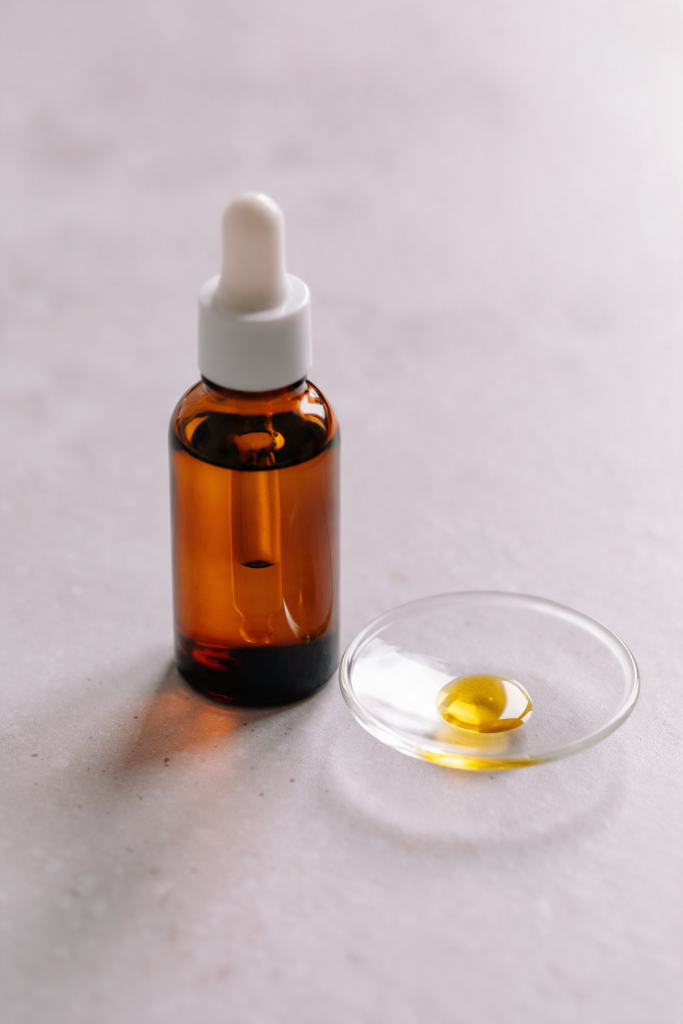
The Ordinary Retinol in Squalane is one of the most popular budget retinol products, partly because it comes in three strengths: 0.2%, 0.5% and 1%. This review looks at what is in the formula, how to choose a strength, who it may suit, who should skip it, and how to use it without irritating your skin. It is based on the published ingredient list and brand description, so always check the current label for the latest formula.
New to retinoids? Start with our retinol beginners guide, then come back to pick a strength.
Quick answer: The Ordinary Retinol in Squalane is a simple, oil-based retinol serum for people who want a no-frills formula and are happy to build up slowly. Start with 0.2% if you are new to retinoids, move to 0.5% once your skin is comfortable, and keep 1% for experienced users. It has no built-in barrier support, so pair it with a good moisturizer and daily sunscreen.
What It Is
The Ordinary Retinol in Squalane is a simple, oil-based serum. Instead of water, it uses squalane as its base, which keeps the formula light and helps stabilize the retinol. It is sold as three separate products, 0.2%, 0.5% and 1% retinol, which the brand positions as a ladder from beginner to experienced users. That ladder is the main reason people choose it: you can start low and move up without switching brands.
Key Ingredients
- Retinol. A form of vitamin A that your skin converts into retinoic acid. It is the most studied non-prescription ingredient for the look of fine lines, rough texture and uneven tone. Our beginners guide explains how it works.
- Squalane. A lightweight emollient that mimics the skin’s own oils and softens the feel of a retinoid. Our squalane guide covers why it is so well tolerated.
- Supporting oils and antioxidants. The ingredient list is short, with a small number of oil-based emollients and stabilizers alongside the retinol. Check the current label for the exact list.
There is no built-in niacinamide, ceramide or hyaluronic acid here, unlike some drugstore retinol serums. That keeps the formula clean, but it also means the barrier support has to come from your moisturizer.
Which Strength to Choose
| Strength | How the brand positions it | A good fit if |
|---|---|---|
| 0.2% | Entry level | You are new to retinoids, or your skin is sensitive |
| 0.5% | Mid strength | You have used retinol before and your skin tolerates it |
| 1% | Highest strength | You are experienced and comfortable at 0.5% |
Percentages are not directly comparable between brands, because the base, the form of retinol and the delivery all change how a product behaves on skin. Within this range, though, the ladder is easy to follow: start at 0.2%, stay there for at least a couple of months, and only step up if your skin has stopped reacting.
Who It May Suit
- People who want a simple, no-frills retinol. A short ingredient list is easier to troubleshoot if your skin reacts.
- Normal, combination and dry skin. The squalane base feels cushioning rather than drying.
- Beginners who want room to grow. Starting at 0.2% and moving up later keeps you in one brand.
- Budget shoppers. It is one of the more affordable ways to try pure retinol.
Who Should Skip or Be Careful
- Anyone pregnant, breastfeeding or trying to conceive. Vitamin A derivatives are generally avoided. Ask your doctor.
- Very sensitive or reactive skin. Even 0.2% can sting if your barrier is already damaged. Repair first.
- Very oily or acne-prone skin that dislikes oils. Squalane is generally well tolerated, but a heavy oil-based serum is not everyone’s preference.
- Anyone using a prescription retinoid. Do not double up without guidance from your prescriber.
How to Use It
- Use it in the evening, on clean, fully dry skin.
- Apply a pea-sized amount to the whole face, avoiding the corners of the nose, mouth and eyes.
- Wait a few minutes, then follow with a plain moisturizer.
- Start with two nights a week for two weeks, then three nights, building toward every other night if your skin is comfortable.
- Wear sunscreen every morning. Retinoids can make skin more sensitive to the sun.
What to Expect
The first four weeks are the adjustment period, and some dryness, tightness or mild flaking is common. Smoother texture usually appears after about 8 to 12 weeks, and changes in the look of fine lines and tone take longer, often 12 weeks or more of steady use. Take a photo in the same light every month, because day-to-day judging is unreliable. If you want to know whether a breakout is normal, read our guide to retinol purging vs a breakout.
Pros and Cons
Pros
- Three strengths in one brand, with a clear path from beginner to experienced
- Short, simple formula that is easy to troubleshoot
- Squalane base feels light and cushioning
- Affordable compared with many retinol serums
Cons
- No built-in barrier support, so you need a good moisturizer
- Oil-based texture is not for everyone
- Pure, unencapsulated retinol can be more irritating than encapsulated formulas
- You have to pick a strength, and picking too high is the most common mistake
How It Compares
The closest comparison is the CeraVe Resurfacing Retinol Serum. CeraVe pairs encapsulated retinol with niacinamide and ceramides, so it is gentler by design. The Ordinary is the stripped-back option: more control, less cushioning. If you want a prescription-style retinoid without a prescription, see our Differin adapalene gel review. And if you are not sure which form of vitamin A suits you, our guides to retinol vs retinal and tretinoin vs retinol lay out the differences.
Is It Worth Buying?
Yes, if you want a simple, affordable retinol and you are willing to start slowly. The range is a sensible way to learn how your skin responds to vitamin A, because you can move up a strength only when you are ready. It is a weaker fit if your skin is very sensitive, or if you want barrier support built in, in which case a retinol serum with ceramides and niacinamide will feel easier. For a wider look, see our guide to the best retinol products for beginners.
Tips to Reduce Irritation
- Sandwich it. Apply a light moisturizer first, then the retinol, then more moisturizer if you are sensitive.
- Keep exfoliating acids on other nights. Glycolic, lactic and salicylic acid do not belong in the same evening.
- Skip it after shaving or waxing. Freshly irritated skin reacts more strongly.
- Step back if your skin feels raw. Take a few nights off and return at a lower frequency.
The Ordinary Retinol FAQ
Which strength should a beginner buy?
The 0.2% strength is the usual starting point for beginners. Move up only after a couple of months of comfortable use.
Can I use it every night?
Many people work up to every other night, and some reach nightly use. Start with two nights a week and increase only if your skin stays calm.
Does it go on wet or dry skin?
Apply it to clean, fully dry skin. Damp skin absorbs more product and tends to increase irritation.
Can I use it with vitamin C or niacinamide?
Often yes. Use vitamin C in the morning and retinol in the evening, and keep exfoliating acids on separate nights. Our guide to niacinamide covers how it supports retinol use.
Will the oil base clog my pores?
Squalane is generally considered well tolerated, but individual skin varies. If you break out, try a lower frequency or a different formula.
Is it safe in pregnancy?
Vitamin A derivatives are generally avoided during pregnancy and breastfeeding. Ask your doctor.
This article is for general information and is not medical advice. Product formulas change from time to time, so always check the current ingredient list before buying, and talk to a doctor or dermatologist about persistent skin concerns.