
Retinol is one of the most proven non-prescription ingredients for the look of fine lines, rough texture and uneven tone, but the best retinol serum for you depends on your skin, not on the biggest percentage on the bottle. This guide compares well-known options by strength and formula, then explains how to choose one and how to start without wrecking your skin barrier. It is based on published ingredient lists and brand descriptions, so check the current label before you buy.
If you have never used a retinoid, read our retinol beginners guide first. We link to a full review wherever we have one.
Quick answer: For most people the best retinol serum is a gentle, barrier-friendly one. CeraVe Resurfacing Retinol Serum and The Ordinary Retinol 0.2% in Squalane are common starting points, and La Roche-Posay Retinol B3 pairs retinol with niacinamide. Step up to a 0.5% to 1% retinol only after a few comfortable months, start two nights a week, and wear sunscreen every day.
How to Choose a Retinol Serum
- Strength. Higher is not better. Most beginners do best in the lower range, and percentages are not directly comparable between brands because the base and delivery change how a product behaves.
- Formula type. Encapsulated retinol releases more slowly and is designed to be gentler. Oil-based formulas such as retinol in squalane feel cushioning but offer no built-in barrier support.
- Supporting ingredients. Niacinamide, ceramides and hyaluronic acid help offset dryness. Our niacinamide guide and ceramides guide explain why they pair well with retinoids.
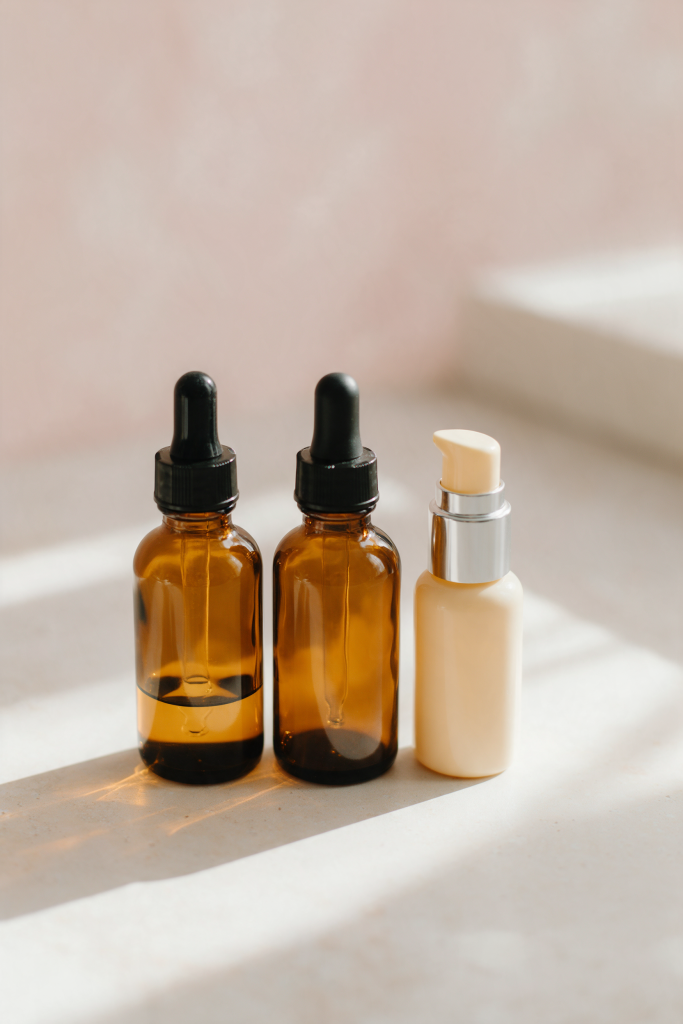
- Packaging. Retinol breaks down with light and air, so look for an opaque pump, tube or dropper bottle, not a clear jar.
- Fragrance-free. Fragrance adds irritation risk on top of a product that already asks your skin to adjust.
Free: The Peptide Routine Cheat SheetPrint it, stick it on the mirror. AM and PM steps in the right order, plus what layers with what.
Get it freeRetinol Serums Worth Knowing
We have not ranked these head to head, so treat the table as a starting point, not a verdict.
| Serum | Strength | Formula notes | Best for |
|---|---|---|---|
| CeraVe Resurfacing Retinol Serum | Not clearly stated | Encapsulated retinol with niacinamide, ceramides and hyaluronic acid | Beginners, texture, post-acne marks |
| The Ordinary Retinol in Squalane | 0.2%, 0.5% or 1% | Simple oil-based formula | Choosing your own strength |
| La Roche-Posay Retinol B3 Serum | Check the label | Retinol with vitamin B3 (niacinamide) and vitamin E | Beginners who want niacinamide built in |
| Paula’s Choice Clinical 1% Retinol Treatment | 1% | Higher-strength treatment | Experienced retinol users |
CeraVe Resurfacing Retinol Serum
A fragrance-free, lotion-like serum that pairs encapsulated retinol with barrier-friendly ingredients. It is a common first retinol, especially for rough texture and post-acne marks. The percentage is not clearly stated, so treat it as gentle and build up slowly. Read our full CeraVe Resurfacing Retinol Serum review.
The Ordinary Retinol in Squalane
A stripped-back, oil-based serum sold in three strengths, which makes it easy to start low and move up within one brand. It has no built-in niacinamide or ceramides, so pair it with a good moisturizer. Our The Ordinary Retinol review explains how to choose between 0.2%, 0.5% and 1%.
La Roche-Posay Retinol B3 Serum
This serum combines retinol with vitamin B3, which is niacinamide, and vitamin E, so it brings some barrier support along with the retinoid. It suits people who want niacinamide built in and a more cosmetic, less fussy texture. Check the current label for the strength and ingredient list.
Paula’s Choice Clinical 1% Retinol Treatment
The strength is in the name, which puts it firmly in experienced-user territory. It makes sense after you have used a lower-strength retinol for several months without irritation, not as a first product. We have not reviewed it yet.
When a Serum Is Not the Right Step
If you want something stronger or different, our guides explain the options: retinol vs retinal for a faster-acting form, tretinoin vs retinol for the prescription version, and our Differin adapalene gel review for an over-the-counter retinoid. If retinol is simply too much for your skin, our guide to peptides vs retinol covers a gentler route.
Which Strength Should You Start With?
Most beginners begin in the lower range, around 0.2% to 0.3% for a pure retinol, or with an encapsulated, barrier-friendly formula. Stay there for at least two months. Move up only when your skin has stopped flaking, stinging or tightening, and keep the higher strengths for when you are genuinely comfortable. Our best retinol for beginners guide goes further on this.
How to Start Using a Retinol Serum
- Use it in the evening, on clean, fully dry skin.
- Apply a pea-sized amount to the whole face, avoiding the corners of the nose, mouth and eyes.
- Follow with a plain moisturizer a few minutes later.
- Start with two nights a week for two weeks, then three, building toward every other night.
- Wear sunscreen every morning. Retinoids can leave skin more sensitive to the sun, and our SPF guide helps you choose one.
What to Expect and When
The first four weeks are the adjustment period, when some dryness or mild flaking is normal. Smoother texture usually shows up after 8 to 12 weeks, and changes in the look of fine lines and tone typically take 12 weeks or more. If you are not sure whether a breakout is part of the process, read retinol purging vs a breakout. Take a photo in the same light every month, because day-to-day judging is unreliable.
Mistakes to Avoid
- Starting too strong. This is the most common reason people say they cannot use retinol.
- Stacking acids. Keep glycolic, lactic and salicylic acid on separate nights.
- Applying to damp skin. Damp skin absorbs more product and tends to increase irritation.
- Skipping sunscreen. It is the single best way to protect the results.
- Quitting at week three. The adjustment period is the hardest part, and it passes.
Who Should Be Careful
Vitamin A derivatives are generally avoided during pregnancy and breastfeeding, so ask your doctor first. Go slowly or skip retinol if your skin is very sensitive, if your barrier is damaged, or if you use a prescription treatment such as tretinoin. If you want a plant-based alternative with less evidence behind it, see our bakuchiol guide.
The Bottom Line
The best retinol serum is the one your skin can actually tolerate for months. For most people that means a gentle, barrier-friendly formula or a low-strength pure retinol, used two nights a week at first. Build up slowly, moisturize well, wear sunscreen, and judge results at twelve weeks, not two.
Best Retinol Serum FAQ
What is the best retinol serum for beginners?
CeraVe Resurfacing Retinol Serum and The Ordinary Retinol 0.2% in Squalane are common starting points. The first has barrier-supporting ingredients, and the second is a simple formula you can step up in later.
What retinol percentage is best?
There is no single best percentage. Most beginners start in the lower range and move up slowly. Percentages are not comparable between brands, so judge by how your skin reacts.
Is a retinol serum better than a cream?
Not necessarily. Serums are lighter and easier to layer, while creams can feel more cushioning on dry or sensitive skin. Choose the texture you will use consistently.
Can I use a retinol serum every night?
Many people work up to every other night, and some reach nightly use. Start with two nights a week and increase only if your skin stays calm.
Can I use retinol with vitamin C and niacinamide?
Often yes. Use vitamin C in the morning and retinol in the evening, and keep exfoliating acids on separate nights. Our guides to niacinamide and vitamin C and the best vitamin C serums cover the morning side of the routine.
How long does retinol take to work?
Expect an adjustment period of about four weeks, smoother texture after 8 to 12 weeks, and changes in the look of fine lines after 12 weeks or more.
This article is for general information and is not medical advice. Product formulas change from time to time, so always check the current ingredient list before buying, and talk to a doctor or dermatologist about persistent skin concerns.