
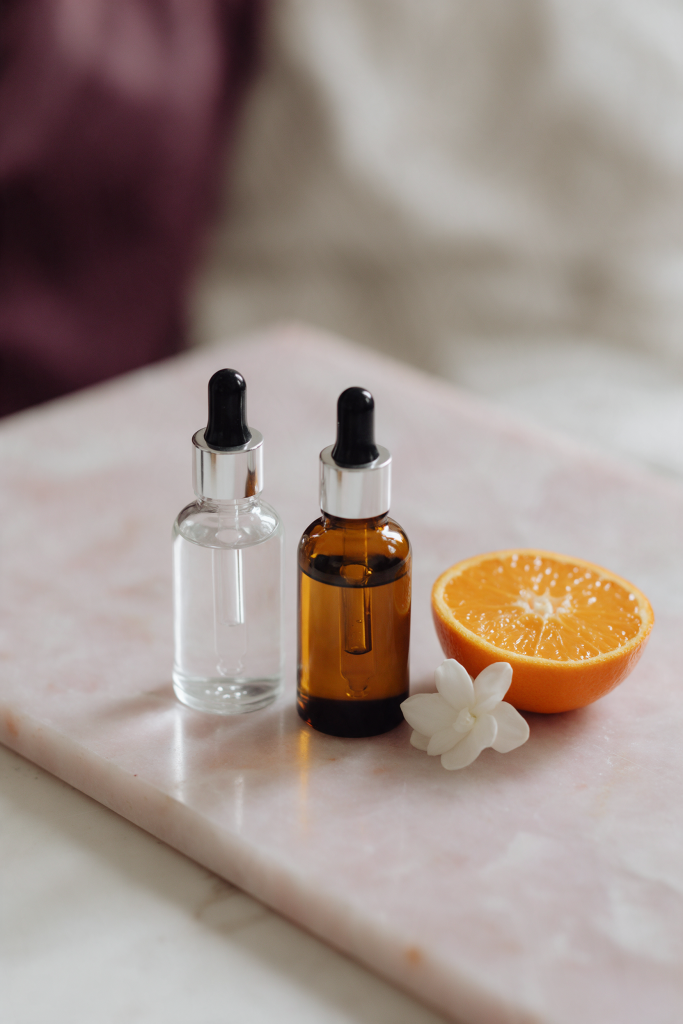
Can you use niacinamide and vitamin C together? For years the internet said no, claiming the two ingredients cancel each other out or cause redness. The short answer today is that most people can use them in the same routine without trouble. This guide explains where the myth came from, how to use the pair, and who should take extra care.
If you are new to either ingredient, read our niacinamide guide and vitamin C serum guide first, then come back for the layering advice.
Where the Myth Came From
The idea comes from an old laboratory study that mixed niacinamide with pure ascorbic acid under heat and long storage. In those conditions the two could form a compound called niacin, which can cause temporary flushing in some people. The conditions in that study were far from what happens on your face. Modern formulas are made to be stable, and many products now include both ingredients on purpose. The real risk is not a chemical clash. It is irritation from using too much, too soon.
What Each Ingredient Does
- Vitamin C is an antioxidant that helps protect skin from environmental stress and can brighten dull or uneven skin tone over time.
- Niacinamide is a form of vitamin B3 that supports the skin barrier, helps with the look of pores, and can calm oil and redness.
They work on different parts of the same goals, which is why the pairing is popular for dark marks and uneven skin. Our best serums for dark spots guide shows how both appear in brightening routines.
Three Easy Ways to Use Them Together
1. Vitamin C in the morning, niacinamide at night
This is the simplest split. Vitamin C works well under sunscreen as an antioxidant, and niacinamide settles in at night with your moisturizer. It also makes it easy to tell which product is causing a reaction.
2. Layer both in the same routine
Apply the thinner product first, usually the vitamin C serum, then niacinamide, then moisturizer and sunscreen. Wait a minute between layers if your skin is sensitive.
3. Use a product with both
Some serums combine the two in one bottle. This is convenient, but it is harder to adjust the amount of each, so patch test first.
Who Should Be Careful
- Sensitive or rosacea-prone skin. Introduce one product at a time. Our sensitive skin routine and rosacea-prone skin routine show how to build slowly.
- People using retinoids or exfoliating acids. Adding two more actives on top can be too much. See the retinol beginners guide for pacing.
- Anyone with a damaged skin barrier. Calm the skin with a gentle routine first.
Tips for Better Results
- Check the vitamin C form. Pure L-ascorbic acid is more potent and can sting. Gentler derivatives are easier for beginners.
- Look at the niacinamide percentage. Many people do well at around 2 to 5 percent. Higher strengths are not always better.
- Patch test. Use a small amount on your inner forearm or behind the ear for a few days.
- Store products properly. Keep vitamin C away from heat and light so it stays stable.
A Simple Routine Using Both
Morning: gentle cleanser, vitamin C serum, light moisturizer, sunscreen. Evening: cleanser, niacinamide serum, moisturizer. Add a retinoid only after your skin is comfortable with these, and use it on separate nights at first. The skincare routine order guide shows where each step goes.
Sunscreen Matters Even More
Vitamin C can help brighten dark marks, but only if you protect your skin from the sun. Without sunscreen, marks tend to return. See our sunscreen guide for how much to use.
What to Expect and When
Niacinamide often makes skin feel smoother and less oily within a few weeks. Vitamin C usually needs eight to twelve weeks for visible changes in tone. If your skin looks red, feels hot or starts to sting, stop using the products and let your skin calm down before trying again with a gentler approach.
Using Both for Dark Spots and Uneven Texture
This pairing is popular for dark marks because the two ingredients approach the problem from different angles. Vitamin C helps limit pigment production and protects skin from oxidative stress, while niacinamide may help reduce the transfer of pigment to skin cells and supports the barrier. For post-acne marks, give the routine at least eight to twelve weeks and combine it with daily sunscreen. If marks are stubborn, ingredients such as tranexamic acid and alpha arbutin are other options to read about.
Separate Products or a Combined Serum?
Using two separate products gives you more control. You can change the amount of each, skip one on days when your skin feels sensitive, and find out quickly which product is causing a reaction. A combined serum is simpler and can save money, but it is harder to adjust. If you are new to both ingredients, start with separate products and consider a combined formula later.
Signs You Should Pause
- Persistent redness or heat. Stop for a few days and keep your routine simple.
- Stinging that does not fade. A little tingling can be normal with vitamin C, but ongoing burning is not.
- Peeling or tightness. This often means the skin barrier needs repair. Moisturize well and see our sensitive skin routine.
- New breakouts around the product area. Check the full ingredient list for anything you may be reacting to.
A Realistic Timeline for Results
In the first week, expect your skin to feel smoother and a little more hydrated, especially if niacinamide is part of the routine. By weeks four to six, oil control and the look of pores often improve. Visible changes in brightness and dark marks usually take eight to twelve weeks, and deeper pigmentation can take longer. If nothing has changed after three months of consistent use with sunscreen, speak to a dermatologist about stronger options.
Niacinamide and Vitamin C FAQ
Do niacinamide and vitamin C cancel each other out?
No. The idea came from old research under unusual conditions. Modern products can be used together.
Should I apply vitamin C or niacinamide first?
Apply the thinner, more watery product first. In most cases that is the vitamin C serum.
Can I use them at the same time every day?
Many people can once their skin has adjusted. Start with a few days a week if your skin is sensitive.
Can I use niacinamide and vitamin C with retinol?
Often yes, but separate them. Many people use vitamin C in the morning and retinol at night, and add niacinamide to either side.
Why does my face turn red after using both?
Redness usually means irritation from using too much, too soon. Stop, simplify your routine and reintroduce one product at a time.
This article is for general information and is not medical advice. Product formulas change from time to time, so always check the current ingredient list before buying, and talk to a doctor or dermatologist about persistent skin concerns.