
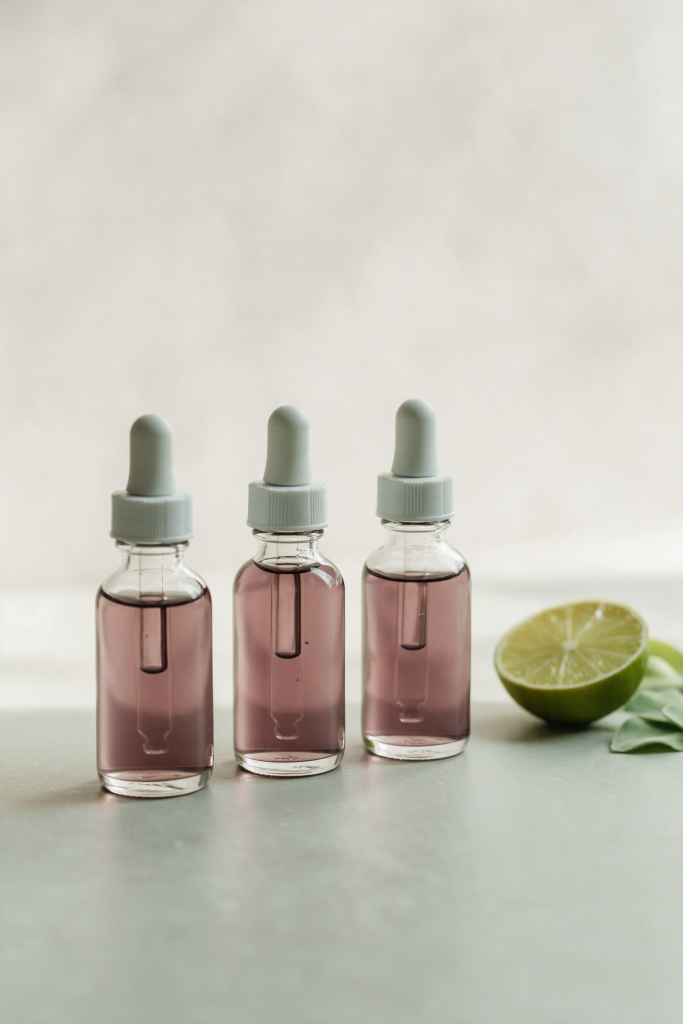
The best serum for oily skin is lightweight, water-based and targeted at the real causes of shine, clogged pores and uneven texture. Oily skin does not need to be stripped or dried out. In fact, harsh products often make it produce even more oil. This guide explains which serum ingredients help, which to be careful with, and how to build a simple routine around them.
If you are still working out your skin type, start with our oily skin routine and then come back to choose a serum.
What Oily Skin Actually Needs
Oily skin produces more sebum, which can mean a shiny finish, enlarged-looking pores and a higher chance of blackheads and breakouts. It still needs water. When skin is dehydrated it can look oily and feel tight at the same time. A good serum for oily skin therefore does two jobs: it balances oil and supports the pore lining, and it adds light hydration without leaving a greasy film.
Ingredients to Look For
- Niacinamide. A popular choice for visible pores and uneven oil production. It is generally well tolerated. Read our niacinamide guide for how to use it, and see the best niacinamide serums for options.
- Salicylic acid. An oil-soluble acid that works inside the pore. It suits blackheads and rough texture. Learn more in the salicylic acid guide.
- Hyaluronic acid. A humectant that adds water without oil. See the hyaluronic acid guide.
- Azelaic acid. Helpful for breakouts, redness and leftover marks. Our azelaic acid products page compares the main options.
- Zinc PCA. Often paired with niacinamide in oil-control formulas.
- Vitamin C. Brightens dull or uneven skin. The vitamin C serum guide explains the different forms.
Ingredients and Textures to Be Careful With
- Heavy oils and butters. Rich facial oils can feel too much on oily skin, though some people with combination skin tolerate lighter ones.
- Alcohol-heavy formulas. Strong denatured alcohol can feel fresh at first but may dry and irritate over time.
- Too many actives at once. Combining several exfoliating acids with a retinoid is a quick way to damage the skin barrier.
- Fragrance and essential oils. Not essential, and a common irritant.
Ingredient lists change, so always check the current label before you buy.
Choosing a Serum by Your Main Concern
For shine and large-looking pores
A niacinamide serum, sometimes with zinc, is the usual starting point. It is gentle enough to use morning and night for most skin.
For blackheads and clogged pores
A salicylic acid formula used a few times a week can help keep pores clear. Start slowly, and pair it with a gentle cleanser such as those in our best cleansers for oily skin guide.
For breakouts and marks
Azelaic acid is a good option, and it is kinder than many people expect. If breakouts are your main issue, also read the acne-prone skin routine.
For dullness and dark marks
Vitamin C or other brightening ingredients help even out tone. See the best serums for dark spots for ideas.
Well-Known Serums for Oily Skin
The products below are widely available examples of the formulas described above. They are not right for every skin, and formulas change, so check the label.
- The Ordinary Niacinamide 10% + Zinc 1% is an inexpensive, popular niacinamide serum. Read our full review.
- Paula’s Choice 10% Niacinamide Booster is a lightweight option that can be used alone or mixed into moisturizer.
- The Ordinary Salicylic Acid 2% Solution is a targeted treatment for clogged pores, best introduced slowly.
- The Ordinary Hyaluronic Acid 2% + B5 is a simple hydrating serum with a light feel.
- La Roche-Posay Effaclar Serum is a ceramide-containing serum aimed at oily, blemish-prone skin.
How to Use a Serum on Oily Skin
- Cleanse with a gentle, non-stripping cleanser.
- Apply your serum to clean skin while it is still slightly damp, especially hydrating serums.
- Wait a minute, then apply a light, oil-free moisturizer. See moisturizers for oily skin.
- Finish every morning with sunscreen, using a lightweight formula such as those in sunscreens for oily skin.
A Simple Oily Skin Serum Routine
In the morning, cleanse, apply a niacinamide or vitamin C serum, add a light moisturizer and sunscreen. At night, cleanse, apply a treatment serum such as salicylic acid or azelaic acid, then moisturize. Introduce one new serum at a time, and give it at least two to four weeks before judging results.
Common Mistakes
- Skipping moisturizer. Oily skin still needs water and barrier support.
- Over-cleansing. Washing too often can increase oil production and irritation.
- Using every active at once. Build slowly and add only one change at a time.
- Ignoring sunscreen. Sun protection matters for oily skin as much as any other type.
When to See a Professional
If you have painful, cystic or scarring breakouts, or if oiliness comes with other unexplained symptoms, speak to a doctor or dermatologist. Prescription treatments can do more than over-the-counter serums.
Layering Serums on Oily Skin
Most oily skin only needs one or two serums at a time. A sensible approach is to use a hydrating or brightening serum in the morning and a treatment serum at night. If you want to use two serums in the same session, apply the thinnest and most watery one first, then the next, and finish with moisturizer. Keep exfoliating acids and retinoids on separate nights until your skin is used to them, and use our skincare routine order guide if you are not sure what goes where.
Adjusting Your Serum Through the Year
Oily skin changes with the seasons. In hot, humid weather a light niacinamide or hyaluronic acid serum may be all you need. In cold, dry months, oily skin can feel tight and dehydrated, so a hydrating serum and a slightly richer moisturizer help. If your skin starts to feel sore or tight, scale back on exfoliating acids and give your barrier a rest. Paying attention to how your skin feels, rather than only how it looks, is the best way to keep your routine balanced.
Serums for Oily Skin FAQ
Do oily skin types need a serum?
Not everyone does, but a serum is an easy way to target pores, texture or dark marks without adding weight.
Can I use niacinamide and salicylic acid together?
Many people can, though it is easier on the skin to use them at different times of day or on alternate nights at first.
Should I use a serum before or after moisturizer?
Apply serums first, since they are lighter, then follow with moisturizer and sunscreen.
How long does a serum take to work?
Hydration shows up quickly, but oil, pores and marks usually need four to twelve weeks of regular use.
Is a hyaluronic acid serum too heavy for oily skin?
No. Hyaluronic acid is water-based and non-greasy. Apply it to slightly damp skin and follow with a moisturizer.
This article is for general information and is not medical advice. Product formulas change from time to time, so always check the current ingredient list before buying, and talk to a doctor or dermatologist about persistent skin concerns.