
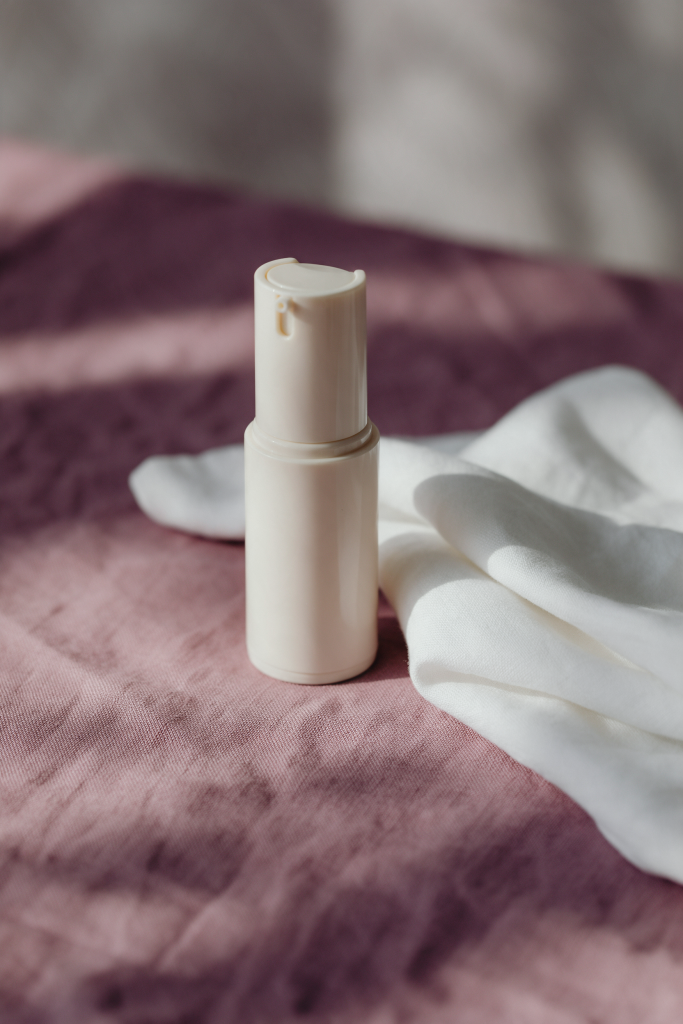
CeraVe Resurfacing Retinol Serum is one of the best-known drugstore retinol products, and it is often recommended to people who want a gentle first retinoid, especially for post-acne marks and rough texture. This review looks at what is in the formula, who it may suit, who should skip it, and how to use it without irritating your skin. It is based on the published ingredient list and brand description, so always check the current label for the latest formula.
If you are new to retinoids, our retinol beginners guide explains the basics before you buy.
Quick Verdict
This is an accessible, fragrance-free retinol serum that pairs encapsulated retinol with barrier-friendly ingredients. It suits beginners and people with normal to oily skin who want to smooth texture and fade marks gradually. It is less suited to very sensitive skin, anyone pregnant or breastfeeding, or people who need stronger prescription-level results.
What It Is
The serum is a lightweight, lotion-like formula sold in a pump or tube-style bottle. CeraVe describes it as a resurfacing serum designed to improve the look of post-acne marks, rough texture and enlarged pores. The brand is best known for developing products with ceramides, which is why this serum has a barrier-supporting angle that many retinol products lack.
Key Ingredients
- Encapsulated retinol. Retinol is released more slowly from encapsulation, which is designed to reduce irritation compared with some unencapsulated formulas.
- Niacinamide. Supports the skin barrier and the look of pores. Our niacinamide guide explains why it pairs well with retinoids.
- Ceramides. Barrier lipids that help the skin hold water. See the ceramides guide.
- Licorice root extract. Often used for its soothing and brightening reputation.
- Glycerin and hyaluronic acid. Humectants that add water to the surface of the skin.
The retinol percentage is not always stated clearly on the packaging, so treat it as a gentle option and increase use slowly.
Who It May Suit
- Retinol beginners. The soothing ingredient list makes it a reasonable first step. Compare other starters in our best retinol products for beginners.
- Oily or combination skin. The lotion texture absorbs quickly and does not feel heavy.
- Post-acne marks and uneven texture. Consistent use over months can help the skin look smoother and more even.
- Budget-conscious shoppers. It is typically priced lower than many dermatology-brand retinoids.
Who Should Skip or Be Careful
- Very sensitive, eczema-prone or rosacea-prone skin. Even encapsulated retinol can sting. See our sensitive skin routine for a slower approach.
- Pregnancy and breastfeeding. Vitamin A derivatives are generally avoided. Ask your doctor.
- People who want strong results. A prescription option may do more. Our tretinoin vs retinol guide compares them, and the Differin review covers a popular over-the-counter retinoid.
- Anyone already using strong acids. Layering many actives raises the chance of irritation.
How to Use It
- Start two nights a week for the first two weeks.
- Cleanse and dry your face fully before applying.
- Use a pea-sized amount for the whole face, avoiding the eye area and corners of the nose and mouth.
- Follow with a barrier-supporting moisturizer, such as the CeraVe Moisturizing Cream or the CeraVe hydrating cleanser in your routine.
- Increase to every other night, then nightly if your skin is comfortable.
- Wear sunscreen every morning. Our sunscreen guide explains how much.
What to Expect
Many people notice some dryness or mild flaking in the first few weeks as skin adjusts. Small breakouts can appear too. Our retinol purging vs a breakout guide helps you tell them apart. Visible changes in texture and tone usually take eight to twelve weeks, and darker marks can take longer.
Pros and Cons
- Pros: fragrance-free, barrier-friendly ingredient list, widely available, affordable, suitable for beginners.
- Cons: retinol strength is not clearly stated, can still irritate sensitive skin, results are gradual, some people find the texture slightly lotion-like under makeup.
How It Compares
Compared with other beginner retinoids, this serum leans toward comfort over power. If you want something plant-derived, our bakuchiol guide covers a gentler alternative. If you are weighing retinol against stronger forms, read retinol vs retinal. For people moving up to a stronger formula later, this serum is a decent stepping stone.
Pairing It With the Rest of Your Routine
Keep the rest of your routine simple while your skin adjusts. A gentle cleanser, a ceramide moisturizer and sunscreen are enough. Avoid adding new exfoliating acids at the same time, and pause the serum for a few days if your skin feels raw. Use our skincare routine order guide to place it correctly.
Alternatives Worth Considering
If this serum does not suit you, there are other ways to approach retinoids. People who find retinol too strong may prefer bakuchiol, which is plant-derived and often gentler. Those who want to try something stronger later may look at retinal, covered in retinol vs retinal, or discuss a prescription option with a doctor. Our list of best retinol products for beginners compares several other starter formulas.
Is It Worth Buying?
For most beginners with normal, combination or oily skin, this serum is a reasonable and affordable way to start with retinol. It is not the strongest option, and it will not replace prescription treatment for stubborn acne or deeper lines, but its comfort-focused formula makes it easier to stay consistent, and consistency is what drives results with any retinoid. If you have very sensitive skin or a skin condition such as eczema or rosacea, speak to a doctor or dermatologist before adding a retinoid.
Tips to Reduce Irritation
If your skin feels dry or tight, try the sandwich method: apply a thin layer of moisturizer, then the serum, then another layer of moisturizer. This softens the effect without removing the benefit. Skip the serum on days when your skin feels raw, avoid using it right after shaving or waxing, and keep exfoliating acids on other nights. Slow and steady use usually gives better results than pushing through irritation.
CeraVe Resurfacing Retinol Serum FAQ
Is CeraVe Resurfacing Retinol Serum good for beginners?
It is often chosen as a gentle starting point because it includes barrier-supporting ingredients, though sensitive skin should still go slowly.
Can I use it every night?
Many people work up to nightly use. Start with two nights a week and increase only if your skin is comfortable.
Does it help with acne marks?
It is marketed for post-acne marks, and retinoids can help with texture and tone over time. Results are gradual.
Can I use it with vitamin C or niacinamide?
Often yes. Use vitamin C in the morning and retinol at night, and keep acids on separate nights.
Is it safe in pregnancy?
Vitamin A derivatives are generally avoided in pregnancy and breastfeeding. Ask your doctor.
This article is for general information and is not medical advice. Product formulas change from time to time, so always check the current ingredient list before buying, and talk to a doctor or dermatologist about persistent skin concerns.