
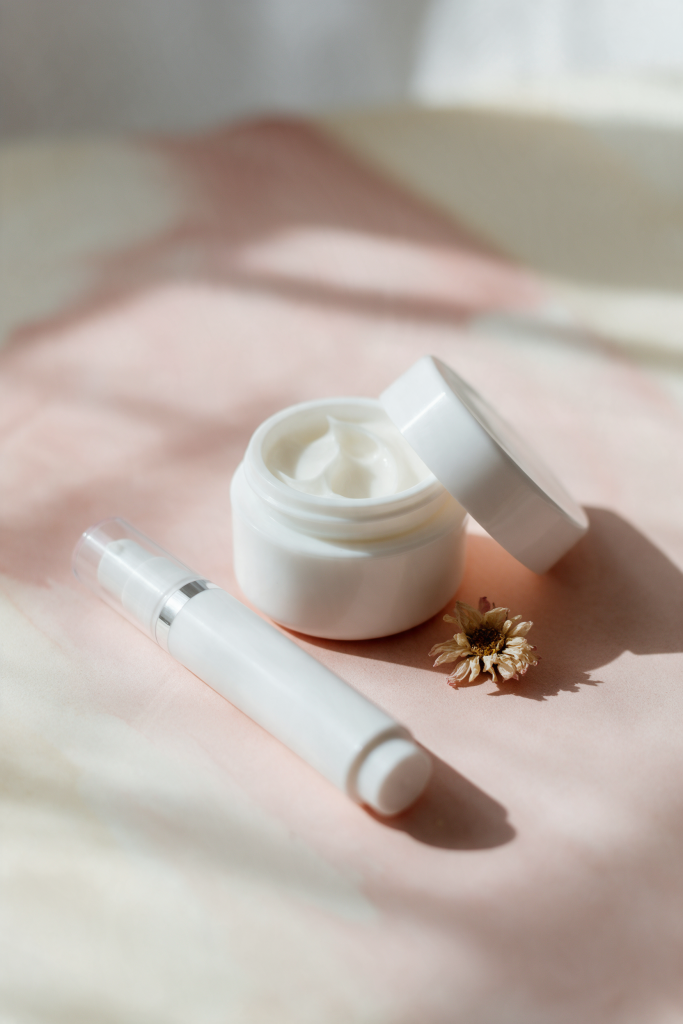
Retinol creams are the classic way to use vitamin A in a routine. They are gentler than most serums, easier to layer and much more forgiving if your skin is dry, mature or new to retinoids. But the shelf is crowded, and the strength on the label is only part of the story. This guide explains how to choose a retinol cream and highlights five that are worth considering at different price points and for different skin types.
If you prefer a lighter texture, see our guide to the best retinol serums. If you are brand new to retinol, start with our retinol beginners guide.
Quick answer: The best retinol cream is one with a retinol strength your skin can tolerate (usually 0.25 to 0.5% to start), a moisturizing base, and packaging that protects the formula from light and air. A cream is gentler and more forgiving than a serum, which makes it a good fit for dry, mature and beginner skin. Five worth considering are RoC Retinol Correxion Deep Wrinkle Night Cream, Olay Regenerist Retinol24, Paula’s Choice Clinical 1% Retinol Treatment, Avène RetrinAL 0.1 Intensive Cream and The Ordinary Retinal 0.2% Emulsion.
Why Choose a Retinol Cream Over a Serum?
A cream delivers retinol in a richer, more moisturizing base. That base cushions the active, so there is usually less stinging and dryness than from a thin serum with the same strength. Creams also suit people who want one step in the evening rather than a serum plus a moisturizer. The trade-off is that a heavier texture can feel too rich for oily or acne-prone skin, which often prefers a light gel or serum.
Free: The Peptide Routine Cheat SheetPrint it, stick it on the mirror. AM and PM steps in the right order, plus what layers with what.
Get it freeHow to Choose a Retinol Cream
1. Check the type of vitamin A
- Retinyl esters are the gentlest and weakest.
- Retinol is the standard over-the-counter choice and the one most people start with.
- Retinal (retinaldehyde) is one step closer to the active form and often works faster. Our guide to retinol vs retinal explains the difference.
- Tretinoin and other prescription retinoids are stronger still. See tretinoin vs retinol and our Differin gel review.
2. Pick a sensible strength
Beginners usually do best at 0.25 to 0.5%. More experienced users may move up to 1%. A higher number is not automatically better: a well-tolerated 0.3% used consistently beats a 1% you stop using after a week.
3. Look at the base formula
Look for ingredients that support the skin barrier, such as ceramides, glycerin, hyaluronic acid or squalane, and avoid heavy fragrance if your skin is reactive. Our ceramides guide explains why they help.
4. Protect the formula
Retinol breaks down with light and air. Choose opaque tubes or airless pumps over open jars.
5 Retinol Creams Worth Considering
These are unranked picks, chosen from published ingredient information and how each formula is positioned, not from lab testing. Formulas and names change, so always check the current label.
RoC Retinol Correxion Deep Wrinkle Night Cream
A long-running drugstore favorite built around retinol in a comfortable, moisturizing night cream. It is a good all-round pick if you want a simple, affordable retinol cream for fine lines and uneven texture. Best for normal to dry skin. Start slowly, because it is a proper retinol product.
Olay Regenerist Retinol24 Night Moisturizer
This one pairs a retinoid complex with niacinamide in a moisturizer-style cream, which makes it an easy-to-use option if you want a single evening step that also supports the skin barrier. Best for beginners and normal to dry skin. Our guide to niacinamide explains why that pairing is popular.
Paula’s Choice Clinical 1% Retinol Treatment
A higher-strength option for people who already tolerate retinol well. The formula includes soothing and moisturizing ingredients, but at 1% it is not a starting point. Best for experienced users who want visible results on lines and texture. Build up to it over several weeks.
Avène RetrinAL 0.1 Intensive Cream
Uses retinaldehyde (retinal) at 0.1% in a cream base. Retinal is often described as faster-acting than retinol while still being comfortable for many people. A good option if you want to move up from retinol, or if standard retinol creams sting. Best for normal to dry and sensitive-leaning skin that still wants an active. It is at the pricier end.
The Ordinary Retinal 0.2% Emulsion
A lightweight, budget-friendly retinal product with a lotion-like texture, so it sits between a cream and a serum. Good for combination skin that finds rich creams too heavy. Start two or three nights a week. See also our review of The Ordinary Retinol in Squalane for a retinol alternative from the same brand.
How to Use a Retinol Cream
- Use it at night. Retinol makes skin more sensitive to sun and breaks down in sunlight.
- Start two nights a week, then move up slowly over a few weeks as your skin adjusts.
- Use a pea-sized amount for the whole face on clean, dry skin. Avoid the eyes, corners of the nose and mouth.
- Buffer if needed. If your skin is dry or reactive, apply a thin layer of moisturizer first, then the retinol cream, then more moisturizer if you want it.
- Wear sunscreen every morning. Broad-spectrum SPF 30 or higher is essential. See our sunscreen guide.
What to Expect
Dryness, flaking and mild redness in the first few weeks are common, and some people see temporary breakouts. Our guide to retinol purging vs breakout explains how to tell the difference. Visible improvements in texture and fine lines usually take three to six months of consistent use, so patience matters more than strength.
Who Should Be Careful With Retinol?
- Pregnancy and breastfeeding. Retinoids are generally avoided. Talk to your doctor. Our bakuchiol guide covers a gentler alternative, although it is not a direct replacement.
- Very sensitive or rosacea-prone skin. Introduce actives with advice from a dermatologist.
- Skin with active eczema or a damaged barrier. Repair the barrier first.
Retinol Cream vs Peptides and Other Anti-Aging Options
If retinol does not suit you, there are other ways to support firmness and texture. Our guide to peptides vs retinol compares the two, and the best night creams for mature skin and best eye creams cover gentler options. For a lighter serum option with similar benefits, see the CeraVe Resurfacing Retinol Serum review.
Frequently Asked Questions
What is the best retinol cream for beginners?
A low-strength cream (about 0.25 to 0.5%) with a moisturizing base is the easiest place to start. Our best retinol products for beginners lists more options.
Can I use retinol cream every night?
Most people build up to it slowly. Start two nights a week and add nights as your skin allows, and if you feel tight, flaky or sore, cut back.
Should I put retinol on before or after moisturizer?
For most people retinol goes on first, on clean, dry skin. If your skin is sensitive, a thin layer of moisturizer first can reduce irritation.
Is a retinol cream better than a serum?
Not better, but different. A cream is usually gentler and more moisturizing, while a serum feels lighter and can suit oily skin.
Can I use retinol with vitamin C?
Yes, but most people use vitamin C in the morning and retinol at night to keep things simple.
This article is for general information and is not medical advice. Product formulas change from time to time, so always check the current ingredient list before buying, and talk to a doctor or dermatologist about persistent skin concerns.