
Kojic acid is one of the most searched brightening ingredients in skincare, and one of the most misunderstood. It turns up in everything from bar soaps to prescription-strength creams, and the claims around it range from sensible to wildly exaggerated. This guide explains what kojic acid does, how well it works for dark spots, how it compares with other brighteners, and how to use it without irritating your skin.
If dark marks are your main concern, our guide to the best serums for dark spots puts kojic acid in context with the other options.
Quick answer: Kojic acid is a skin-brightening ingredient that slows the enzyme your skin uses to make pigment, so it can gradually fade dark spots and uneven tone. Leave-on serums and creams (usually around 1 to 2%) are more useful than kojic acid soap, which is rinsed off before it can do much. Patch test first, use it in the evening, expect results after two to three months, and wear sunscreen every morning.
What Is Kojic Acid?
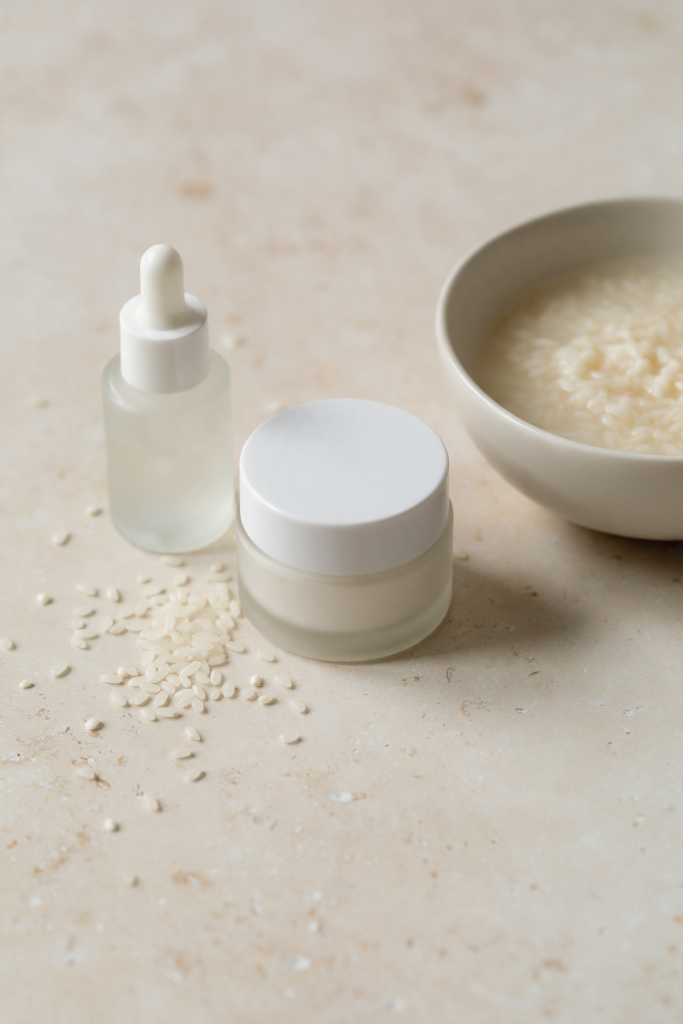
Kojic acid is a compound produced when certain fungi ferment foods such as rice, which is why it has long been linked to Japanese sake production. In skincare it is used as a brightening agent. Despite the name, it is not an exfoliating acid like glycolic or lactic acid. It does not loosen dead skin cells. Its job is to interfere with pigment production, which makes it closer in purpose to alpha arbutin than to an AHA.
How Does Kojic Acid Work?
Your skin makes pigment (melanin) with the help of an enzyme called tyrosinase, and tyrosinase needs copper to do its job. Kojic acid binds copper, which slows the enzyme down. Less enzyme activity means less new pigment, and over time existing dark marks fade as normal skin renewal brings fresh, evenly toned cells to the surface.
It does not bleach the skin, and it cannot remove deep pigment quickly. Think of it as a way to stop adding fuel to a spot while your skin slowly clears the old pigment, not an overnight eraser.
What Are the Benefits of Kojic Acid?
Used consistently in a leave-on product, kojic acid is mainly used for three things:
- Post-acne marks. The flat brown or pink-brown marks left after pimples heal are a common target, especially because they tend to fade slowly on their own.
- Sun-related dark spots. Age spots and freckle-like patches caused by years of UV exposure can soften with steady use, as long as you protect your skin from further sun.
- Uneven tone and dullness. A more even distribution of pigment makes skin look clearer and brighter overall.
Kojic acid also appears in routines for melasma, but melasma is a stubborn, hormone-influenced condition that often needs a plan from a doctor, so see a dermatologist rather than relying on an over-the-counter product alone.
Does Kojic Acid Soap Work?
Kojic acid soap is the form most people meet first, and it is the weakest way to use the ingredient. A soap sits on your skin for well under a minute before it is rinsed away, which gives a brightening ingredient very little time to act. Bar soaps are also usually alkaline, which can be drying and irritating on the face, and some soaps sold online with dramatic whitening claims are poorly regulated.
A soap may be fine for areas of the body if your skin tolerates it, but for the face a leave-on serum or cream from a brand that lists its ingredients clearly is the better route.
Is Kojic Acid Safe?
At the low strengths used in cosmetics, kojic acid is generally well tolerated, but it is a known cause of contact dermatitis (redness, itching or a rash) in some people, and the risk rises with higher strengths. Some regions limit how much can be used in face products, which is another reason to buy from regulated brands. A few other points to keep in mind:
- Patch test first. Apply a small amount to your inner forearm for two or three days before using it on your face.
- Sunscreen is not optional. Brightening ingredients do not stop UV from darkening spots again, so a daily broad-spectrum SPF is what protects your results.
- It is not very stable. Kojic acid breaks down with light and air and can turn a product brown, so choose opaque or airless packaging and stop using anything that has visibly changed color.
- Avoid miracle whitening products. Some illegal creams contain mercury or high-dose hydroquinone. If a product promises dramatic skin lightening and hides its ingredient list, skip it.
- Pregnancy. Check with your doctor before using any brightening treatment while pregnant or breastfeeding.
Kojic Acid vs Other Brighteners
Kojic acid is one of several ingredients that target pigment, and none of them is best for everyone. A quick comparison:
- Alpha arbutin is gentle and well tolerated but slow. See our alpha arbutin guide and the The Ordinary Alpha Arbutin review.
- Tranexamic acid is popular for stubborn, melasma-type marks. Read the tranexamic acid guide.
- Azelaic acid brightens while also calming redness and acne. See the azelaic acid guide.
- Vitamin C is an antioxidant that also brightens. Our vitamin C serum guide explains how to choose one.
- Niacinamide helps limit how much pigment reaches the skin surface. See the niacinamide guide.
If your skin is sensitive, alpha arbutin or niacinamide is a gentler place to start. If those have not moved your spots after a few months, kojic acid is a reasonable next step.
How to Use Kojic Acid
- Patch test. Do this for a couple of days before your first full application.
- Start slowly. Use a leave-on product every second night for the first two weeks, then move to nightly if your skin is comfortable.
- Apply after cleansing. Put it on clean, dry skin, then wait a minute before the next step.
- Moisturize. A simple, fragrance-free moisturizer helps limit dryness. A ceramide cream is a good choice.
- Protect in the morning. Finish every morning with broad-spectrum SPF 30 or higher. If you have reactive skin, see our best sunscreens for sensitive skin, and our sunscreen guide covers how much to apply.
What to Pair With Kojic Acid
Niacinamide, hyaluronic acid and ceramide moisturizers all pair well with kojic acid. Vitamin C works nicely in the morning while kojic acid stays in your evening routine. Be careful about stacking it with strong exfoliants such as glycolic acid, salicylic acid or retinol on the same night, especially in the first few weeks. Alternate nights instead, and cut back if your skin feels tight or stings. A gentle option for texture is mandelic acid, and our dark spots routine shows how all these steps fit together.
How Long Does Kojic Acid Take to Work?
Skin renews slowly, so most people need around eight to twelve weeks of consistent use, together with daily sunscreen, before they see a visible difference. Deeper or older marks take longer. If you see no change after three months, or your skin is irritated, stop and speak to a pharmacist or dermatologist rather than moving to a stronger product.
Frequently Asked Questions
Does kojic acid lighten skin permanently?
No. Kojic acid fades excess pigment, but it does not change your natural skin tone, and spots can return if you stop protecting your skin from the sun.
Can I use kojic acid every day?
Many people can after a gradual start. Begin every second night and build up only if your skin stays comfortable.
Can I use kojic acid with retinol?
Some people can, but the combination raises the risk of irritation. Alternate nights at first, and see our retinol beginners guide for how to introduce retinol safely.
Is kojic acid better than alpha arbutin?
Neither is better for everyone. Alpha arbutin is gentler, while kojic acid can be a little more irritating but is often chosen for stubborn marks. The best one is the one your skin tolerates and you can use consistently.
Is kojic acid safe for deeper skin tones?
Yes, brightening ingredients are widely used for post-inflammatory marks, which are common in deeper skin tones. Because irritation can itself darken skin, patch test and go slowly.
This article is for general information and is not medical advice. Product formulas change from time to time, so always check the current ingredient list before buying, and talk to a doctor or dermatologist about persistent skin concerns.