
Glycolic acid is the most widely studied alpha-hydroxy acid (AHA) in skincare — and one of the most effective tools for transforming skin texture, brightness, and tone. If you’re dealing with dullness, uneven texture, or hyperpigmentation, glycolic acid deserves serious consideration.
What Is Glycolic Acid?
Glycolic acid is an AHA derived from sugar cane. It has the smallest molecular size of all AHAs, which means it penetrates the skin most effectively. It works by dissolving the bonds that hold dead skin cells together on the skin’s surface, allowing them to shed more efficiently and revealing the fresher, brighter skin underneath.
What Glycolic Acid Does for Your Skin
- Exfoliates chemically — dissolves dead skin cells without the micro-tears caused by physical scrubs
- Brightens and evens skin tone — reveals fresh skin and reduces dullness
- Fades hyperpigmentation — accelerates the turnover of pigmented cells, lightening dark spots and sun damage
- Smooths skin texture — reduces the appearance of rough patches, bumps (keratosis pilaris), and uneven texture
- Stimulates collagen — regular use at higher concentrations promotes new collagen production
- Improves absorption — by clearing the surface, it helps subsequent serums penetrate more effectively
Glycolic Acid vs Lactic Acid vs Salicylic Acid
Glycolic acid (AHA) works on the surface. Best for: dullness, uneven tone, fine lines, hyperpigmentation. Not suitable for very sensitive skin due to its small size and potency.
Lactic acid (AHA) is gentler with a larger molecule size. Best for: sensitive skin, dry skin, mild exfoliation with hydrating effects.
Salicylic acid (BHA) is oil-soluble and penetrates inside pores. Best for: oily skin, breakouts, blackheads, congested pores.
How to Use Glycolic Acid
Start with 2–3 times per week in the evening. Never use it in the morning — AHAs increase sun sensitivity, so always follow up with SPF the next day.
- Cleanse and pat skin dry
- Apply glycolic acid toner or serum (leave on; don’t rinse unless the product instructs)
- Wait 10–20 minutes, then continue with your routine
- Follow with a hydrating moisturiser to replenish the skin barrier
- The next morning: always wear SPF 30+
Do not use glycolic acid on the same night as retinol — both accelerate cell turnover, and combining them can lead to over-exfoliation. Alternate nights instead.
Concentration Guide
5–10% is ideal for regular at-home use. Up to 15–20% for more experienced users targeting significant hyperpigmentation. Professional peels use 30–70%, always performed by a trained aesthetician.
Best Glycolic Acid Products
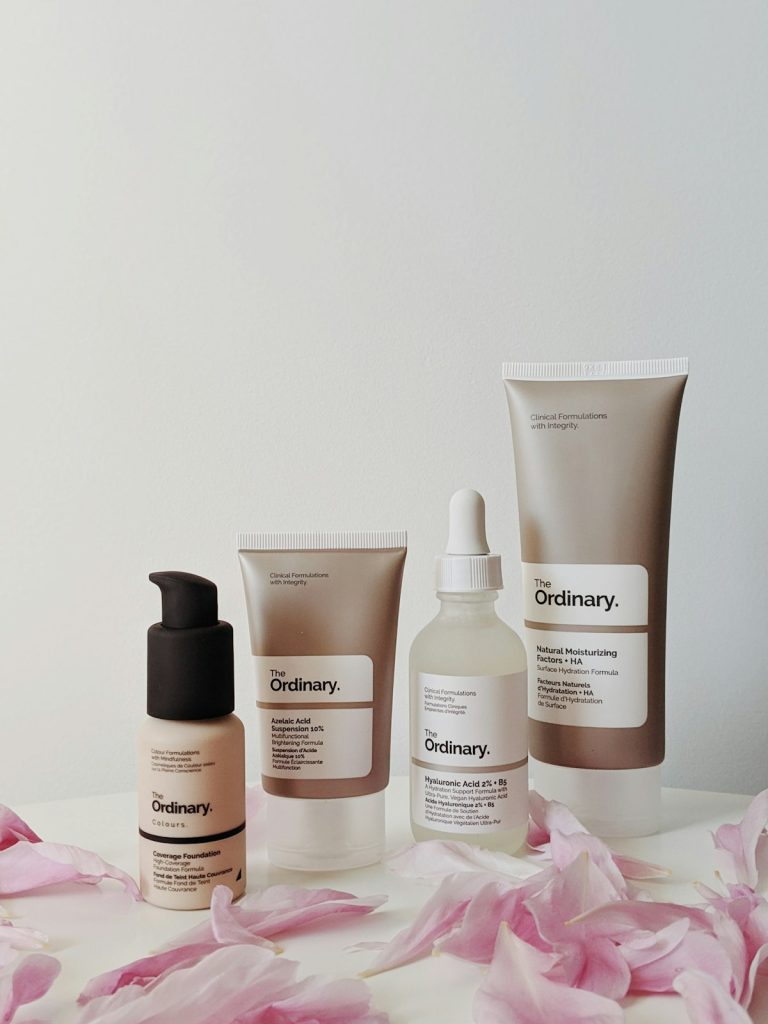
The Ordinary Glycolic Acid 7% Toning Solution is one of the best value AHA products available — effective, affordable, and easy to use. Paula’s Choice Skin Perfecting 8% AHA Gel Exfoliant is a cult favourite with a lotion texture. For a premium option, Pixi Glow Tonic (5% glycolic) is gentle enough for near-daily use and beloved for its brightening effect.