
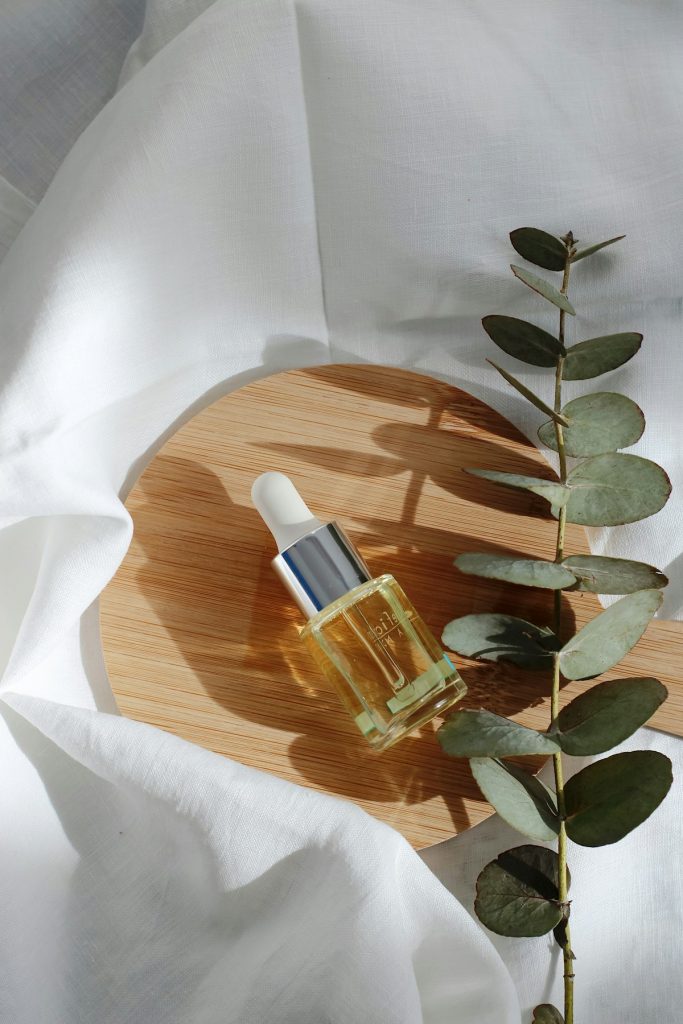
Dry skin isn’t just about how your skin looks — it’s about your skin barrier. When the barrier is compromised, skin loses water faster than it can retain it, leading to tightness, flakiness, sensitivity, and a dull complexion. The right routine doesn’t just add moisture; it helps your skin hold onto it.
Understanding Dry Skin vs Dehydrated Skin
Dry skin is a skin type — you produce less sebum (oil) than average. It’s genetic and permanent.
Dehydrated skin is a condition — any skin type can be dehydrated, meaning it lacks water rather than oil. It’s temporary and responds quickly to the right products.
Many people with dry skin are also dehydrated. The routine below addresses both.

Free: The Peptide Routine Cheat SheetPrint it, stick it on the mirror. AM and PM steps in the right order, plus what layers with what.
Get it freeThe Core Principle: Layer Hydration, Then Seal It
Dry skin needs both humectants (attract water) and occlusives (seal it in). The classic layering principle: thinnest to thickest, ending with the richest product to lock everything underneath in place.
Morning Routine for Dry Skin
- Gentle cream or oil cleanser — avoid foaming gel cleansers that strip oils. Try CeraVe Hydrating Cleanser or La Roche-Posay Toleriane Hydrating Gentle Cleanser.
- Hydrating toner or essence — pat a hyaluronic acid or glycerin-based toner into damp skin to prime for absorption.
- Vitamin C serum — a lipid-soluble form of Vitamin C (like ascorbyl tetraisopalmitate) suits dry skin better than watery L-ascorbic acid formulas.
- Rich moisturiser — look for ceramides, hyaluronic acid, and shea butter. CeraVe Moisturising Cream and First Aid Beauty Ultra Repair Cream are dry-skin staples.
- SPF — choose a moisturising SPF with a cream finish, not a lightweight fluid. Altruist SPF 50 Moisturiser is a budget-friendly option with a rich texture.
Evening Routine for Dry Skin
- Oil or balm cleanser — cleansing oil removes SPF and makeup without stripping. Follow with a gentle cream cleanser if needed.
- Hydrating serum — hyaluronic acid serum applied to damp skin, followed immediately by moisturiser to trap the hydration.
- Retinol (2–3x/week) — use a lower concentration (0.025–0.1%) and always cushion with moisturiser before and after. Dry skin is more sensitive to retinol dryness.
- Peptide serum or niacinamide (other nights) — both support barrier repair without dryness risk.
- Rich night cream or moisturiser — don’t skimp. This is the most important step for dry skin.
- Facial oil (optional) — 2–3 drops of squalane or rosehip oil pressed over moisturiser creates a protective occlusive layer. Game-changer for very dry skin.
Key Ingredients for Dry Skin
- Ceramides — restore the skin barrier’s lipid structure (found in CeraVe products)
- Hyaluronic acid — draws moisture into skin (use on damp skin, seal with moisturiser)
- Glycerin — a humectant that’s cheaper than HA and equally effective at attracting water
- Squalane — a lightweight oil that’s non-comedogenic and deeply nourishing
- Shea butter — rich occlusive that prevents water loss
- Niacinamide — boosts ceramide production and strengthens the barrier
Ingredients to Avoid with Dry Skin
High concentrations of AHAs (use sparingly and always moisturise after), alcohol-heavy toners and astringents, fragrance (a common sensitiser that worsens barrier damage), and harsh foaming cleansers with sulfates.