
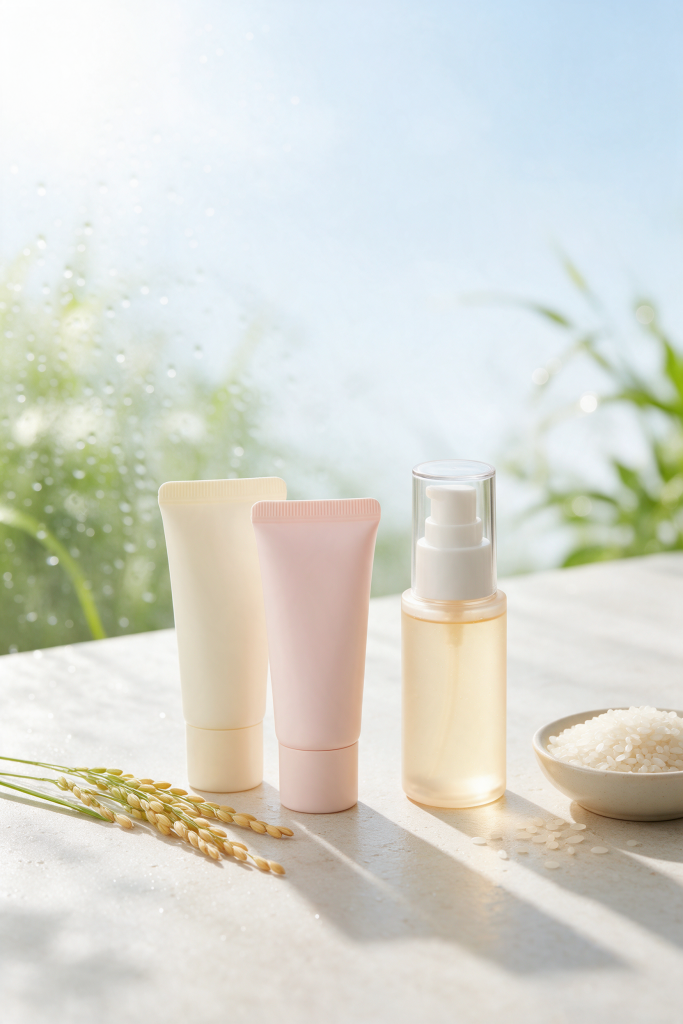
If you have ever skipped sunscreen because it felt greasy, heavy or left a ghostly cast, Korean sunscreens are the reason many people finally build the habit. They are known for light, skin-like textures that wear well under makeup, and that is exactly why they have become a staple of K-beauty routines. This guide explains what makes them different, how to read their ratings, and which ones are worth a look for your skin type.
Quick answer: The best Korean sunscreens are lightweight gels, essences and serums that rate SPF 50+ and PA++++ and usually leave little to no white cast. Popular picks include Beauty of Joseon Relief Sun, Isntree Hyaluronic Acid Watery Sun Gel, SKIN1004 Hyalu-Cica Sun Serum and Round Lab Birch Juice for dry skin. Formulas differ by country, so always check the label of the version you are buying.
What Makes Korean Sunscreens Different?
Korean sunscreens are designed around daily, year-round wear, so cosmetic feel gets as much attention as protection. Three things stand out.
- Texture: watery gels, essences, milks and serums that spread thinly and absorb without a greasy film.
- Skincare-style formulas: many include hydrating or soothing ingredients such as hyaluronic acid, centella, rice extract or ceramides.
- Modern UV filters: many Korean, Japanese and European sunscreens use newer filters that tend to feel lighter and more elegant. Several of these have been slow to gain approval in the US, so formulas sold here can differ from the original.
How to Read SPF and PA Ratings
You will usually see two ratings on a Korean sunscreen, for example SPF 50+ PA++++. SPF measures protection from UVB, the rays that cause sunburn. PA is a rating system from Japan that measures protection from UVA, the rays linked to skin aging, and it runs from PA+ to PA++++, with more plus signs meaning stronger UVA protection. In the US, the equivalent to look for is a “broad spectrum” label with SPF 30 or higher. For a full breakdown, see our SPF guide.
One caution: ratings only count if you apply enough and reapply. Independent tests of sunscreens from many countries have sometimes measured below the labeled SPF, so a generous amount and regular reapplication matter more than any number on the tube.
Chemical, Mineral or Hybrid?
Chemical (organic filter) formulas absorb UV light and are the thinnest and most invisible, which makes them popular on deeper skin tones where a white cast is a concern. Mineral formulas use zinc oxide or titanium dioxide, sit on top of skin and are often preferred for reactive skin, though they can leave a cast. Hybrid formulas combine both. If your skin is easily irritated, start with our guide to the best sunscreens for sensitive skin.
Best Korean Sunscreens by Skin Type
We have not tested these products ourselves. The picks below are based on brand descriptions, published ingredient lists and widely discussed features, and they are not ranked. Formulas can change and vary by region, so check the current label before buying.
For oily and combination skin
Isntree Hyaluronic Acid Watery Sun Gel is a watery gel-style sunscreen that is known for a fresh, non-greasy finish, which suits oily skin that dislikes a heavy feel. SKIN1004 Madagascar Centella Hyalu-Cica Water-Fit Sun Serum is a pump-style sun serum with a similarly light texture. For more options, see the best sunscreens for oily skin.
For normal skin and everyday wear
Beauty of Joseon Relief Sun: Rice + Probiotics is one of the most talked-about Korean sunscreens, with a creamy but light finish and a skincare-style ingredient list. We cover it in detail in our Beauty of Joseon Relief Sun review. LANEIGE Hydro UV Defense is another lightweight daily option with a hydrating feel.
For dry skin
Round Lab Birch Juice Moisturizing Sunscreen is positioned as a hydrating sunscreen, which makes it a natural fit for dry skin that wants comfort from the final step of the morning routine. Pair it with a good moisturizer underneath if your skin needs more.
For sensitive skin
Dr. Jart+ Every Sun Day Mineral Sunscreen is a mineral-filter option that is often considered by people who find chemical filters stinging. Mineral formulas can leave a slight cast, so test it on your jawline before committing.
How to Apply Korean Sunscreen
- Apply it as the last skincare step, after moisturizer and before makeup. See our skincare routine order guide.
- Use enough. A common guideline is about a quarter teaspoon for the face and neck, or two fingers’ length of product.
- Let it settle for a minute or two before makeup.
- Reapply roughly every two hours when you are outdoors, and after swimming or heavy sweating.
- Cleanse thoroughly at night. Water-resistant and long-wear formulas can be stubborn, and many people use a gentle oil or balm cleanser first.
Tips for Buying Korean Sunscreen Outside Korea
Buy from the brand’s official store or an authorized retailer, since counterfeits exist for popular products. Check the packaging for the SPF and PA rating and the ingredient list of the exact version in your hands, because export and domestic versions sometimes differ. If you want a familiar Western option to compare against, our reviews of La Roche-Posay Anthelios and EltaMD UV Clear show what to expect from well-known brands.
Korean Sunscreen FAQ
Are Korean sunscreens better than American ones?
Not necessarily better, but many people find them more pleasant to wear, and the best sunscreen is the one you will actually use every day. Protection depends on the filters, how much you apply and how often you reapply.
Do Korean sunscreens leave a white cast?
Chemical-filter gels and essences generally leave little to none. Mineral formulas are more likely to show a cast, especially on deeper skin tones.
Is a higher PA rating always better?
PA++++ indicates the highest UVA protection rating, so it is a good thing to look for, but it still needs a proper amount and regular reapplication.
Can I use Korean sunscreen over makeup?
Sun sticks, cushions and sprays are designed for reapplying over makeup. Lotions and creams are best applied before makeup.
The Bottom Line
Korean sunscreens make daily SPF easy to stick with, thanks to light textures and skincare-friendly formulas. Choose one that suits your skin type, check the label of the version you are buying, apply it generously and reapply. The most elegant sunscreen in the world does not help if it stays in the drawer.
This article is for general information only and is not medical advice. If you have a skin condition, have had skin cancer, or react to sunscreens, talk to your doctor or dermatologist about the right product for you.