
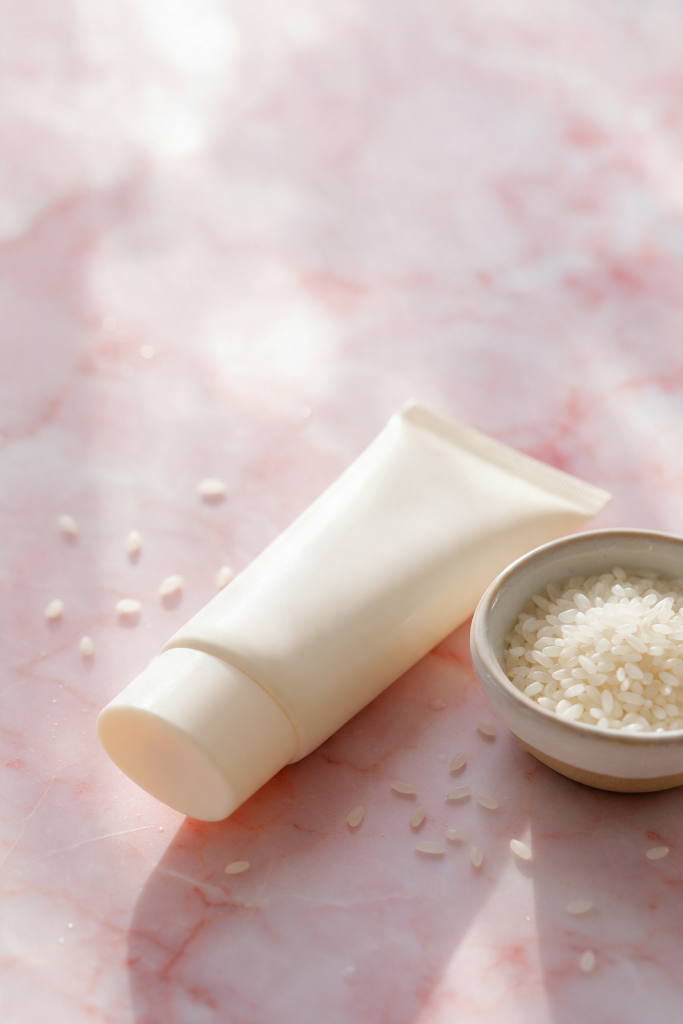
Few sunscreens have built a following as fast as Beauty of Joseon Relief Sun: Rice + Probiotics. It is a Korean sunscreen rated SPF 50+ PA++++ that is often recommended as an everyday option, and its ingredient list reads more like a skincare cream than a typical sunscreen. This review looks at what is actually in the tube, who it is likely to suit, and where it may fall short. As with all of our reviews, it is based on the brand’s published ingredient list and product description rather than lab testing, and we explain what that means below.
Quick answer: Based on its published ingredient list, Beauty of Joseon Relief Sun: Rice + Probiotics is a fragrance-free chemical sunscreen rated SPF 50+ PA++++ that pairs modern UV filters with niacinamide and rice and ferment extracts. It looks like a strong everyday option for people who want a lightweight, no-cast sunscreen. It is a poor fit if you want a mineral-only formula or react to chemical filters.
Relief Sun at a Glance
- Type: chemical (organic filter) sunscreen, with one hybrid filter listed
- Rating: SPF 50+ PA++++, as labeled by the brand
- Standout ingredients: niacinamide, rice extracts and several rice ferments, probiotic-style ferment extracts, adenosine, green tea
- Fragrance and essential oils: none listed
- Best for: daily wear under makeup, normal to combination skin, anyone who dislikes heavy sunscreen
What Is Beauty of Joseon Relief Sun?
Beauty of Joseon is a Korean brand known for formulas inspired by traditional ingredients such as rice. Relief Sun is its flagship sunscreen, and it is sold as a lightweight cream that doubles as a skincare step. It sits in the same category as other popular K-beauty sunscreens we cover in our guide to the best Korean sunscreens.
Ingredient List Breakdown
The versions we reviewed list four UV filters: diethylamino hydroxybenzoyl hexyl benzoate, ethylhexyl triazone, diethylhexyl butamido triazone and methylene bis-benzotriazolyl tetramethylbutylphenol. In plain terms, these are newer-generation filters that are widely used in sunscreens across Europe and Asia and are chosen for light, comfortable textures. The last of them is a hybrid filter that works partly by absorbing and partly by scattering light. No zinc oxide or titanium dioxide is listed, so this is not a mineral sunscreen.
Beyond the filters, the formula includes niacinamide, which is often used for its tone-evening and barrier-supporting reputation, plus a long list of rice-derived extracts and ferments, green tea, ginseng, kelp and adenosine. Treat the “probiotics” language with some caution. These are ferment extracts, and evidence that they do anything special for skin when applied in a sunscreen is limited. They are a pleasant extra, not the reason to buy it.
Ingredient lists can differ between regional versions of the same product, so check the packaging of the exact tube you are buying, especially if you are comparing sunscreens sold in different countries.
Texture and Finish
The formula contains lightweight emollients that typically give sunscreens a silky, dry-touch finish, and the brand positions it as a light cream rather than a heavy lotion. Because it relies on chemical filters, it should not leave the white cast that mineral sunscreens often do, which is a major reason people with medium to deep skin tones look at Korean sunscreens. We have not tested it ourselves, so how it feels on your skin and under your makeup is something to judge with a small first purchase.
Does It Work?
A sunscreen works when it is applied generously and reapplied, and Relief Sun’s SPF 50+ and PA++++ ratings are the brand’s labeled figures. Independent tests of sunscreens from many countries have sometimes measured lower than the number on the tube, so do not treat the rating as a guarantee. Use a generous amount (about a quarter teaspoon for the face and neck is a common guideline) and reapply roughly every two hours when you are outside. Our SPF guide explains how to do this properly.
Who Is It Best For?
- People who want a comfortable daily sunscreen that does not feel heavy or look chalky.
- Normal and combination skin, which tends to handle a light cream well.
- Makeup wearers who want a base that sits smoothly beneath foundation, once you confirm that it works with your products.
Who Might Want to Skip It?
- Very sensitive or reactive skin. Some people find chemical filters stinging or irritating. If that sounds like you, a mineral formula from our best sunscreens for sensitive skin list may be a safer starting point.
- Very oily skin. A cream may feel richer than you like. A watery gel or serum may suit better, as covered in the best sunscreens for oily skin.
- Anyone who prefers mineral-only protection or avoids chemical filters for personal reasons.
How to Use It
- Patch test on your jawline or inner arm if your skin is reactive.
- Apply it as the final skincare step in the morning, after moisturizer. Our skincare routine order guide shows where it fits.
- Use enough, wait a minute, then apply makeup if you wear it.
- Reapply during the day when you are outdoors.
- Cleanse well at night. A gentle oil or balm cleanser followed by a mild face wash is a common approach for long-wear sunscreens.
Keep it out of your eyes, because chemical filters can sting if they migrate.
How It Compares
If you are weighing it against well-known Western options, our reviews of La Roche-Posay Anthelios and EltaMD UV Clear cover two popular alternatives from brands with long track records. The main trade-off is usually texture and finish versus familiarity and availability, so choose based on what you will actually wear every day.
Relief Sun FAQ
Is Beauty of Joseon Relief Sun a chemical or mineral sunscreen?
Based on its ingredient list, it is a chemical sunscreen, with one hybrid filter, and it does not contain zinc oxide or titanium dioxide.
Is it fragrance-free?
The ingredient list we reviewed does not include fragrance or essential oils, but always check the packaging of your version.
Does Relief Sun leave a white cast?
Chemical filters generally do not leave a visible cast, which is one of the main reasons people choose this style of sunscreen.
Can I wear it under makeup?
Many people do. Give it a minute to settle before foundation, and test the combination before an important day.
Is it good for acne-prone skin?
It is hard to promise either way. It lists no fragrance or essential oils, but any product can break out some people. Patch test and introduce it on its own.
The Bottom Line
On paper, Beauty of Joseon Relief Sun is a thoughtfully formulated everyday sunscreen: modern filters, a high labeled rating, niacinamide and a fragrance-free ingredient list. Its biggest strengths are likely to be comfort and no white cast, which is exactly what keeps people wearing sunscreen daily. If you have very sensitive skin or want a mineral-only formula, look elsewhere. Otherwise it earns a place on the shortlist.
This review is based on the brand’s published ingredient list and product description, not on laboratory testing, and is for general information only. It is not medical advice. If you have a skin condition or have had skin cancer, talk to your doctor or dermatologist about sun protection.