
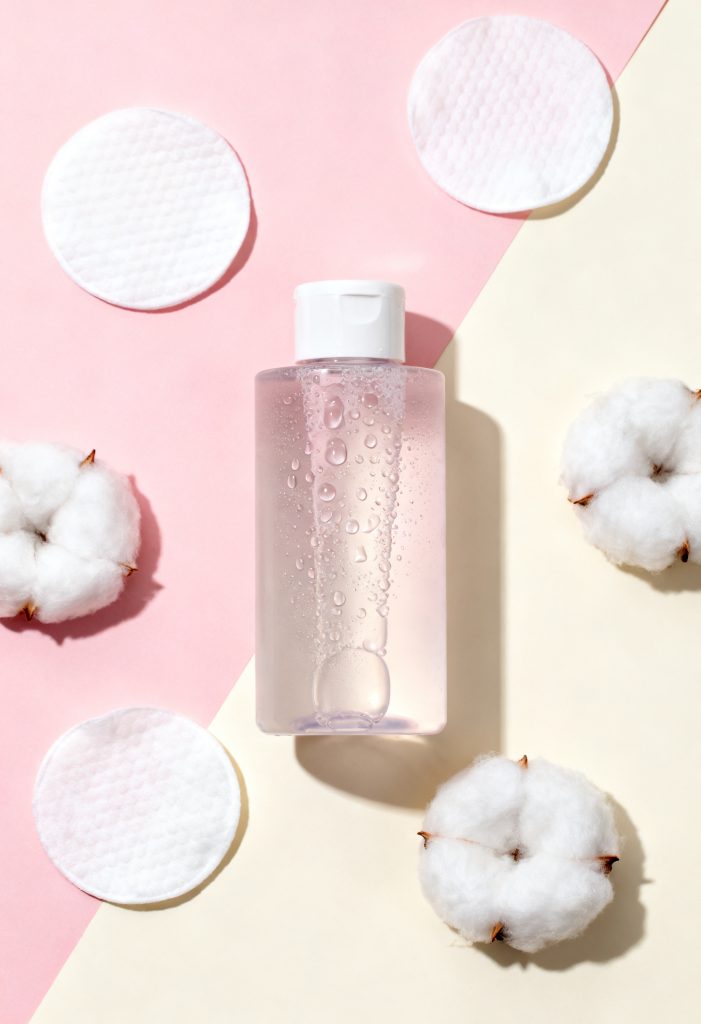
Toner has a bad reputation left over from the alcohol-heavy, skin-stripping formulas of decades past. The category has moved on — a good modern toner is closer to a lightweight treatment step than an afterthought.
For Hydration: Humectant-Based Toners
A toner built around hyaluronic acid, glycerin, or panthenol adds a hydrating layer that preps skin to absorb serums more effectively. This is the right toner type for dry or dehydrated skin, or as a universal first step for most routines.
For Oily or Acne-Prone Skin: Exfoliating Toners
A toner with a low percentage of salicylic acid or glycolic acid offers gentle, ongoing exfoliation with minimal extra steps. These work best a few times a week rather than daily, layered before other actives.
For Sensitive or Redness-Prone Skin: Soothing Toners
Look for centella asiatica, panthenol, or oat-derived ingredients rather than exfoliating acids or alcohol. These calm and prep the skin rather than adding an active treatment layer.
What to Avoid
- Denatured alcohol high on the ingredient list — still the biggest red flag for a stripping, outdated formula
- Fragrance in a toner meant for reactive skin — an unnecessary irritation risk on a step applied to bare skin
- Vague “purifying” claims with no listed active — a sign of marketing over formulation
How to Use a Toner
Apply after cleansing and before serums, either patted on with hands or swept on with a cotton pad. A toner is a supporting step, not a replacement for a proper serum or moisturizer — treat it as prep, not the main event.
The Bottom Line
The right toner depends entirely on what you need it to do: hydrate, gently exfoliate, or calm. Skip anything alcohol-heavy regardless of the category, and treat toner as one useful step in a routine rather than a miracle product on its own.