
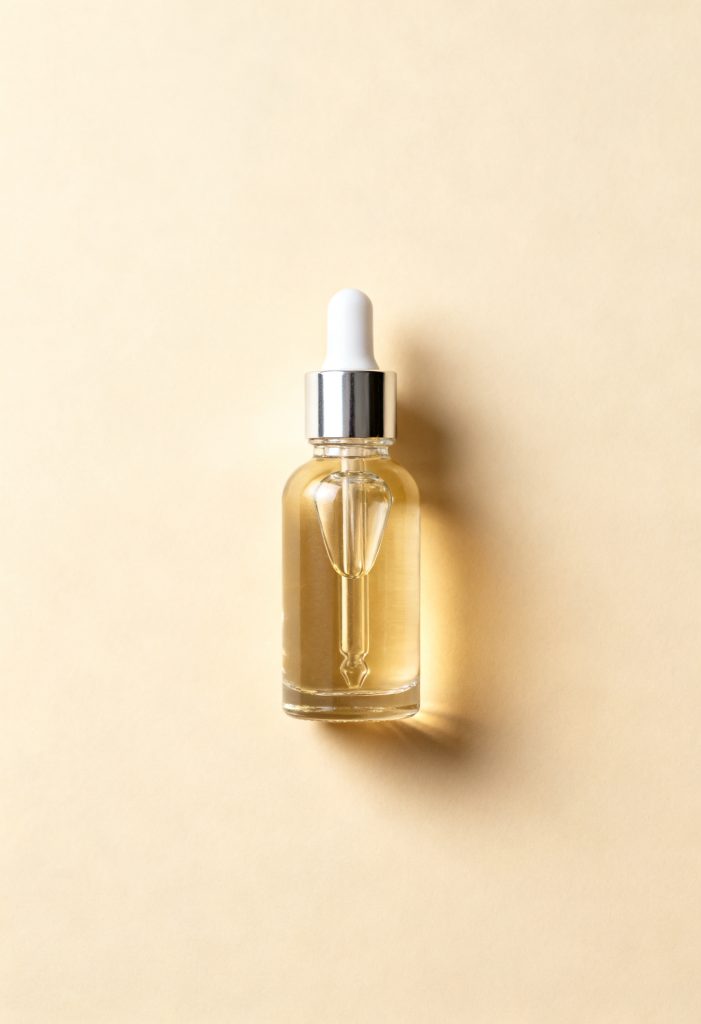
The Ordinary built its reputation on delivering single, well-studied actives at a fraction of prestige pricing, and its Alpha Arbutin 2% + HA is one of the more popular examples. Worth checking whether the low price comes with real compromises.
Quick answer: The Ordinary Alpha Arbutin 2% + HA is a good-value serum for fading mild dark spots and post-acne marks, but it works slowly: expect 8 to 12 weeks of daily use, with sunscreen every morning. It is not a quick fix or a treatment for stubborn melasma.
What It Is
A lightweight serum combining 2% alpha arbutin with hyaluronic acid, targeted at hyperpigmentation, post-acne marks, and uneven skin tone.
What It Does Well
- A clinically relevant concentration — 2% sits within the effective, well-studied range for alpha arbutin
- Simple, focused formula — no unnecessary additives to complicate use or increase irritation risk
- Added hyaluronic acid — a reasonable hydration boost layered into a treatment serum
- Extremely accessible price point — one of the most affordable ways to try this ingredient
Where It Falls Short
- Texture can feel slightly tacky — some users find it needs a minute to fully absorb before layering other products
- Results take real patience — like all alpha arbutin formulas, visible fading takes consistent use over 8-12 weeks or longer
- Basic packaging — a simple dropper bottle, functional but unglamorous
Who It Suits
A sound choice for anyone wanting to try alpha arbutin without a big financial commitment, particularly those managing post-acne marks or mild sun-related discoloration. It pairs well with a vitamin C or niacinamide serum for a fuller brightening routine.
How Alpha Arbutin Works
Alpha arbutin is a skin-brightening ingredient related to hydroquinone, but it is a different molecule that is generally considered gentler. It works by slowing tyrosinase, an enzyme your skin uses to make melanin, the pigment behind dark spots. Slower pigment production means existing spots fade gradually as skin renews itself, and new marks form less readily. Our alpha arbutin guide goes deeper into the science.
How to Use It
- Cleanse, then apply two or three drops to the face, or just to the dark spots, on dry or slightly damp skin.
- Wait a minute for it to absorb before layering a moisturizer on top.
- Use it once or twice a day. Many people use it morning and evening if their skin tolerates it.
- Finish every morning with sunscreen. Without it, UV exposure keeps triggering new pigment and cancels out the work the serum is doing. See our SPF guide.
- Patch test on the inner forearm or behind the ear for a few days before using it on your face.
What Results to Expect and When
Brightening ingredients are slow, and this one is no exception. Skin takes roughly a month to renew itself, so most people notice at best a subtle change after four to six weeks, with clearer fading around 8 to 12 weeks of daily use. Fresh post-acne marks and mild sun spots tend to respond best. Deeper or long-standing discoloration can take longer, and hormonal patches such as melasma often need advice from a dermatologist rather than a serum alone. Take a photo of the area in the same light every two weeks so you can judge progress objectively.
Tips for Better Results
- Be consistent. Skipping days resets your progress more than it seems. Pick a time you will remember, such as right after cleansing.
- Treat the cause. If dark spots come from breakouts, calming the acne stops new marks forming. If they come from sun, daily sunscreen and a hat matter more than any serum.
- Avoid picking. Picking at spots or scabs creates new post-inflammatory marks that can take months to fade.
- Do not expect even results everywhere. Fresh, light marks fade faster than deep, older ones.
Layering It With Other Ingredients
- Vitamin C: a natural partner for brightening. Vitamin C is usually used in the morning, and alpha arbutin can go morning or night. See our vitamin C serum guide.
- Niacinamide: generally layers well and also supports the skin barrier. See our niacinamide guide.
- Exfoliating acids and retinol: they speed up cell turnover and can complement a brightening serum, but add them one at a time and on different nights if your skin is sensitive.
- Sunscreen: not optional with any dark-spot routine.
Alpha Arbutin vs Other Dark-Spot Ingredients
- Alpha arbutin: gentle, low irritation and slow. A sensible first brightening ingredient.
- Vitamin C: an antioxidant that brightens and protects, best used in the morning.
- Tranexamic acid: often used for stubborn or hormonal-looking discoloration. See our tranexamic acid guide.
- Azelaic acid: brightens while also helping with redness and breakouts. See our azelaic acid guide.
For a ranked list of products, see our best serums for dark spots, and for the full plan, our hyperpigmentation routine.
Who Should Be Careful
Alpha arbutin is generally well tolerated, but stop using it if you notice persistent stinging, redness or itching. If you are pregnant or breastfeeding, ask your doctor before starting new brightening ingredients. A dark spot that is changing shape, bleeding or looks different from your other spots should be checked by a doctor, not treated with a serum.
The Bottom Line
The formula is straightforward and appropriately concentrated — the low price doesn’t come at the cost of effectiveness here. The main thing to manage is patience with the timeline, not skepticism about the product itself.
Alpha Arbutin FAQ
Does The Ordinary Alpha Arbutin 2% + HA work?
For mild dark spots and post-acne marks, many people see gradual fading with consistent use and daily sunscreen. It works best on superficial discoloration and is slow, so judge it over at least 8 to 12 weeks.
How long does alpha arbutin take to work?
Expect a subtle change after four to six weeks and clearer results around 8 to 12 weeks of daily use. Deeper marks can take longer.
Can I use alpha arbutin with vitamin C?
Yes. They are commonly used together for brightening, with vitamin C in the morning and alpha arbutin morning or night. Introduce one at a time to see how your skin reacts.
Can I use alpha arbutin and niacinamide together?
Yes. The two are commonly layered, and niacinamide can help support the skin barrier while you use a brightening serum.
Can I use alpha arbutin morning and night?
Yes, if your skin tolerates it. Once a day is enough for some people, and sunscreen is essential in the morning either way.
Is alpha arbutin the same as hydroquinone?
No. They are related, but alpha arbutin is a different molecule that is generally considered milder. Hydroquinone is stronger and is regulated in many countries, so ask a dermatologist if you are considering it.
Cosmetic information, not medical advice. Patch test new products and check the current ingredient list before buying.