
Azelaic acid rarely gets the attention retinol or vitamin C does, but it is one of the few ingredients dermatologists recommend for acne, redness, and dark spots at the same time. If your skin reacts to almost everything else, this is usually the one it tolerates.
What Is Azelaic Acid?
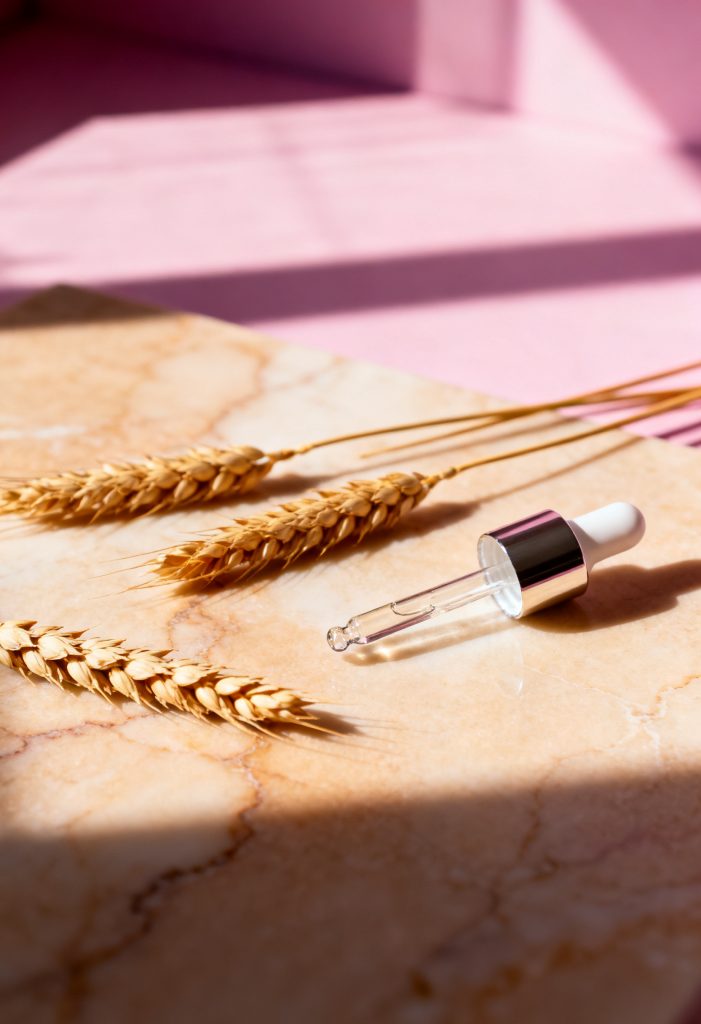
Azelaic acid is a naturally occurring acid found in grains like wheat, rye, and barley. Unlike AHAs and BHAs, it does not primarily work by exfoliating the skin’s surface. Instead, it targets the underlying processes that cause breakouts, redness, and uneven tone.
What Does Azelaic Acid Actually Do?
- Fights acne-causing bacteria — has antibacterial properties that help calm breakouts
- Reduces inflammation — calms the redness associated with acne and rosacea
- Fades dark spots — inhibits the enzyme that triggers excess pigment production, making it effective on post-acne marks
- Unclogs pores — mildly keratolytic, helping prevent the buildup that leads to blackheads
Who Should Use It
Azelaic acid is one of the few actives considered safe during pregnancy, which makes it a go-to recommendation when retinoids are off the table. It is also well suited to rosacea-prone skin, since most other acne treatments are too irritating for that skin type.
How to Use It
- Over-the-counter formulas are typically 10%; prescription versions go up to 15-20%
- Start with every-other-day application to gauge tolerance
- A mild tingling on application is normal and usually fades within a few minutes
- It can be used both morning and night, and layers well with niacinamide and gentle moisturizers
What to Expect
Azelaic acid is gradual. Redness and inflammation typically improve within a few weeks, while pigmentation changes take longer — often 8 to 12 weeks of consistent use. It is not a quick fix, but it is one of the gentler options for skin that cannot tolerate stronger actives.