
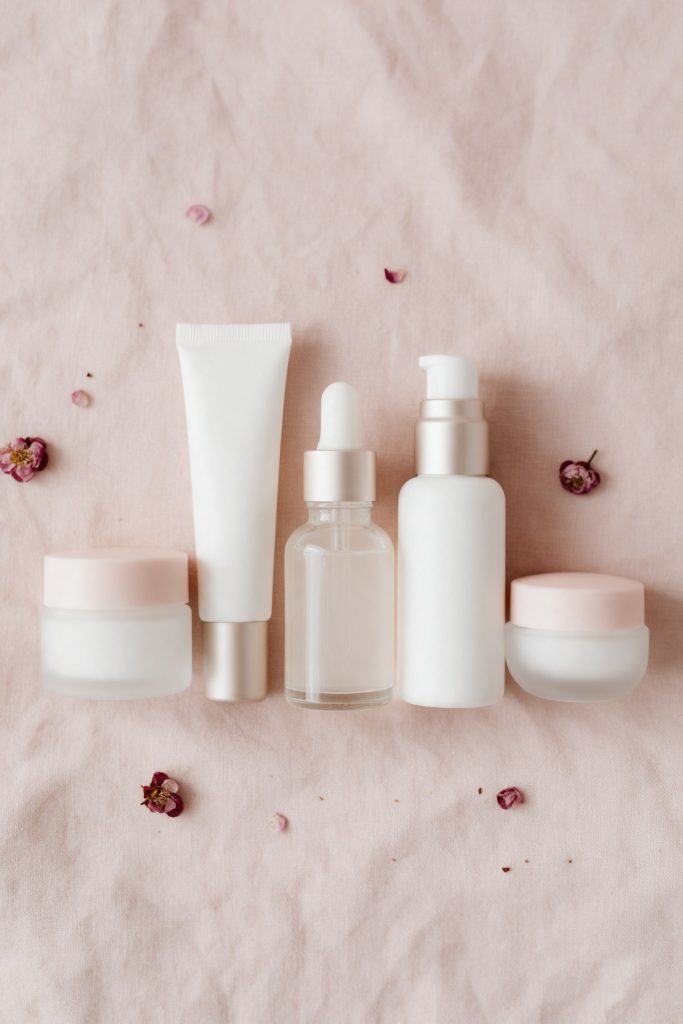
Peptides now appear in serums, creams, eye treatments, masks and even cleansers. With so many options, it can be hard to tell which products are worth buying and which are simply using the word on the front of the bottle. This guide explains the main kinds of skincare products with peptides, what each is good for, and how to read a label so you pick a good one.
New to the ingredient? Our complete guide to peptides in skincare covers the basics first.
The Main Types of Peptide Products
Peptide Serums
Serums have the most concentrated, targeted formulas and are the usual choice for anyone who wants to add peptides to a routine without changing anything else. They are lightweight and layer well under moisturiser. See our best peptide serums for options.
Peptide Moisturisers
These combine hydration with peptides in one step, which makes them an easy way to start. They suit people who prefer a short routine. Our best peptide moisturizers lists favourites for different skin types.
Peptide Eye Creams
The skin around the eyes is thin, and fine lines often show there first, so peptide eye creams are popular. Choose a fragrance-free formula. See our best eye creams.
Peptide Night Creams
Richer night formulas pair peptides with barrier ingredients. They suit dry or mature skin. See the best night creams for mature skin.
Peptide Masks and Neck Creams
These are extras rather than essentials. They can be pleasant, but a well-chosen serum or moisturiser used daily will do more than a weekly mask.
Peptide Cleansers
Cleansers are rinsed off within seconds, so any peptides in them have very little time to do anything. We would not pay extra for a peptide cleanser.
Free: The Peptide Routine Cheat SheetPrint it, stick it on the mirror. AM and PM steps in the right order, plus what layers with what.
Get it freeHow to Read a Peptide Product Label
Marketing claims are not regulated in a way that guarantees meaningful amounts of an ingredient, so the ingredient list is where to look.
- Look for named peptides. Common names include palmitoyl tripeptide-1, palmitoyl tetrapeptide-7, palmitoyl pentapeptide-4, acetyl hexapeptide-8 and copper tripeptide-1. Blends are sometimes sold under brand names such as Matrixyl.
- Check where they sit on the list. Ingredients appear from highest to lowest concentration, down to 1%. A peptide in the last few places may be present in a small amount, although some peptides are used at very low percentages by design.
- Be sceptical of “collagen” claims. Collagen molecules are too large to enter the skin in a meaningful way. They act as moisturisers on the surface, which is fine, but they are not the same as signalling peptides.
- Check the rest of the formula. Hydrating ingredients such as glycerin, hyaluronic acid and ceramides are a good sign. A long list of potential irritants like fragrance is not.
What to Look For
- A hydrating, barrier-friendly base, since peptides work best in comfortable, well-moisturised skin.
- Airtight, opaque packaging such as a pump or tube, which helps keep the formula stable.
- Fragrance-free or low-fragrance formulas if you have sensitive skin.
- A texture you enjoy. You will only see results if you use it daily.
- A realistic price. Expensive does not always mean better. Look at the ingredient list rather than the price tag.
What to Skip
- Products that list a peptide only in the marketing copy but not by name on the ingredient list.
- Rinse-off products sold for their peptide content.
- Anything promising “Botox in a bottle” or dramatic results in days.
- Very heavily fragranced products if your skin is reactive.
Matching the Product to Your Skin
- Dry or mature skin: a peptide moisturiser or night cream with ceramides. See our mature skin routine.
- Oily or combination skin: a lightweight peptide serum, then a gel moisturiser.
- Sensitive skin: a simple, fragrance-free formula, introduced slowly after a patch test.
- Anti-ageing focus in your thirties: a peptide serum alongside sunscreen and a gentle retinoid. See the routine for your 30s.
How to Add a Peptide Product to Your Routine
- Add only one new product at a time.
- Patch test on a small area for a few days.
- Apply after cleansing and before moisturiser, if it is a serum.
- Use it daily for at least 8 to 12 weeks before judging results.
- Always finish with sunscreen in the morning.
For the right layering order, see our skincare routine order guide, and for a simple plan, the beginner peptide routine. If you want to use peptides with other actives, read about peptides vs retinol and peptides with vitamin C.
Skincare Products With Peptides FAQ
Which product type is best for peptides?
Serums and leave-on moisturisers are the most practical, because they stay on the skin long enough to work.
Are peptide products worth the price?
They can be, but price is a poor guide. Check the ingredient list for named peptides and a good supporting formula.
Can I use more than one peptide product?
You can, but one well-made product used consistently is usually enough. Layering several adds cost without clear extra benefit.
Are peptide products safe for sensitive skin?
They are often well tolerated, but reactions can come from fragrance or other ingredients. Patch test first and choose fragrance-free options.
Do I need a peptide eye cream?
It is optional. A good peptide moisturiser can often be used around the eyes, though some people like a dedicated formula.
This article is for general information and is not medical advice. Product formulas change from time to time, so always check the current ingredient list before buying.