
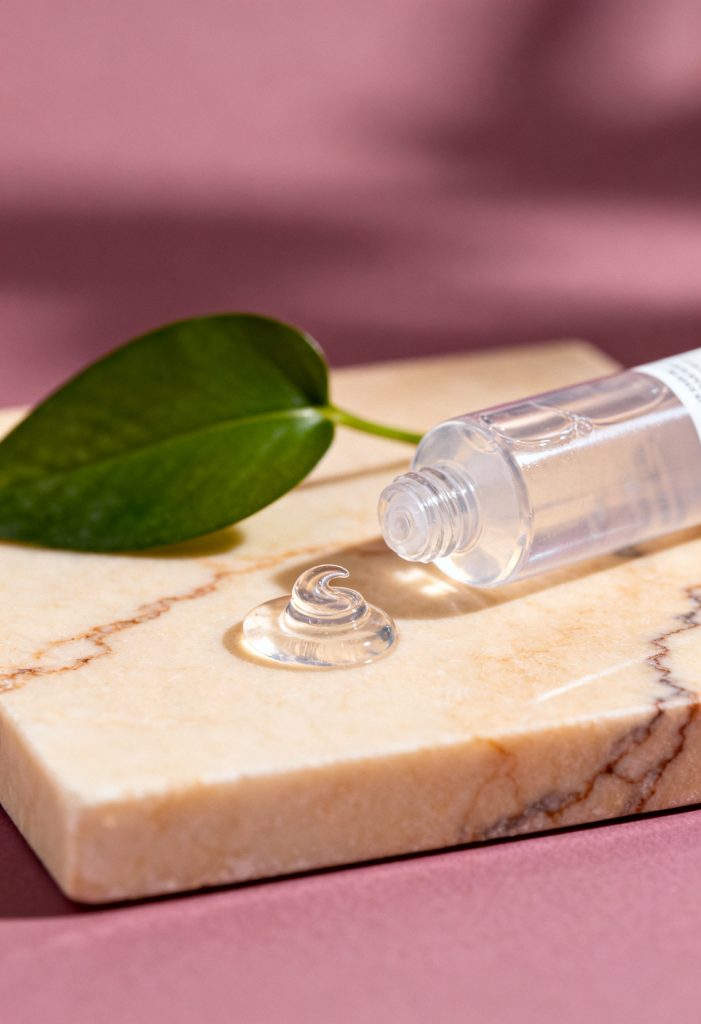
Differin was the first prescription-strength retinoid to become available over the counter, and it remains one of the most studied topical acne treatments on the market. That regulatory history is part of why it gets recommended so often — worth looking at what is actually behind it.
What It Is
A 0.1% adapalene gel, a third-generation retinoid originally available only by prescription. Adapalene works differently from retinol, binding more selectively to specific skin receptors, which is part of why it tends to be better tolerated than older retinoids at an equivalent strength.
What It Does Well
- Genuinely effective on acne — adapalene is a well-studied treatment for both inflammatory and non-inflammatory acne, not just a general anti-aging retinoid
- More stable than tretinoin — does not break down in sunlight the way some other retinoids do, though daytime SPF is still essential
- Generally better tolerated — many users find adapalene causes less initial irritation than retinol or tretinoin at comparable strengths
- Accessible without a prescription — available over the counter at a fraction of the cost of dermatologist-prescribed retinoids
Where It Falls Short
- Still causes an adjustment period — “better tolerated” does not mean irritation-free; purging, dryness, and peeling are still common in the first few weeks
- Requires consistent use over months — visible improvement in acne typically takes 8 to 12 weeks, and results are easily lost if use is inconsistent
- Gel texture can feel drying — some users need to pair it with a dedicated moisturizer to offset tightness
Who It Suits
Best for those dealing with ongoing acne, particularly blackheads and non-inflammatory congestion, who want an evidence-based treatment without a prescription. It is not primarily marketed for anti-aging, though it does offer some of the same collagen-related benefits as other retinoids over time.
The Bottom Line
The over-the-counter switch did not water down the formula — it remains a genuinely effective, well-researched acne treatment. The trade-off is patience: results build gradually, and the first few weeks require tolerating some adjustment.