
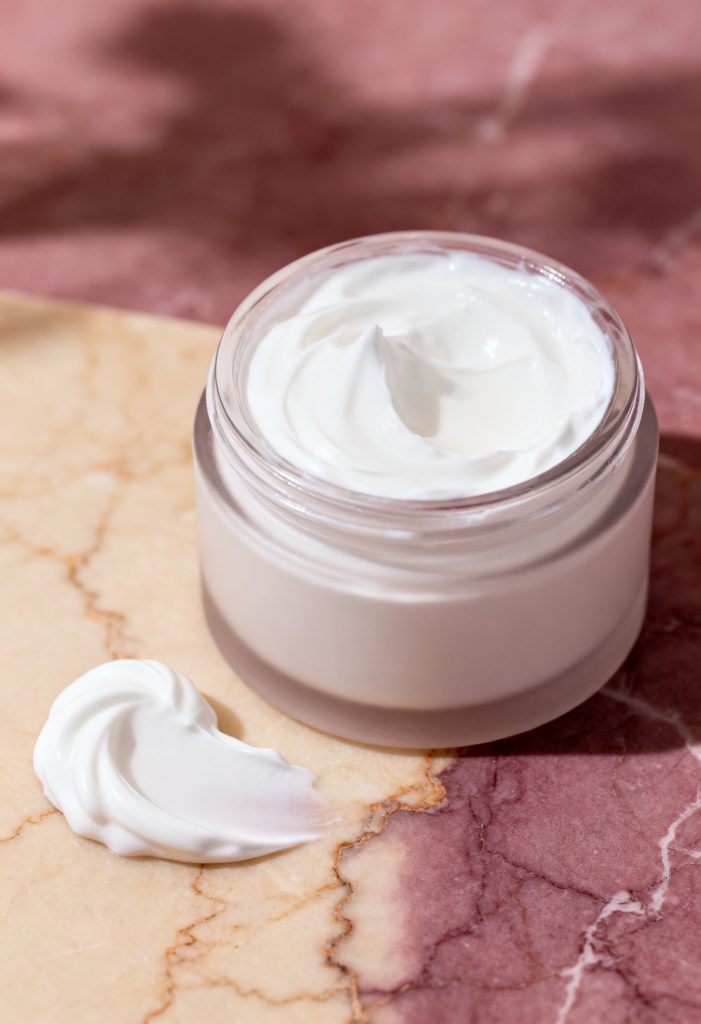
CeraVe Moisturizing Cream shows up on nearly every “best moisturizer” list, largely on the strength of its ceramide formulation and dermatologist-developed reputation. Here is what is actually behind that reputation.
What It Is
A thick, fragrance-free cream built around CeraVe’s MVE (MultiVesicular Emulsion) delivery technology, which releases ceramides and other ingredients gradually over time rather than all at once on application.
What It Does Well
- Three essential ceramides — ceramides 1, 3, and 6-II, which support the skin’s natural barrier
- Hyaluronic acid for hydration — helps draw and hold moisture in the skin
- Fragrance-free formula — a meaningful plus for sensitive or reactive skin
- Long-lasting hydration — the MVE technology means a single application tends to hold up well over many hours
Where It Falls Short
- Too rich for oily or acne-prone skin — the thick texture can feel heavy or contribute to congestion for some users, particularly in humid climates
- Slow absorption — the same MVE technology that gives it staying power also means it can leave a slight residue or take longer to sink in than lighter formulas
- Jar packaging on the larger size — a tub format is less hygienic than a pump, since fingers repeatedly enter the product
Who It Suits
Best for normal to dry skin, or anyone dealing with a compromised or irritated barrier who needs a straightforward, no-frills formula. Oily and acne-prone types may prefer CeraVe’s own lighter Facial Moisturizing Lotion instead of the cream.
The Bottom Line
It earns its staple status for barrier support specifically — the ceramide combination is well-formulated and the price point is hard to beat. It is not a universal fit, but for dry or barrier-compromised skin, it remains a reasonable, low-risk choice.